
Understanding ISO 13485: A Guide to Structure, Clauses, and Implementation Best Practices
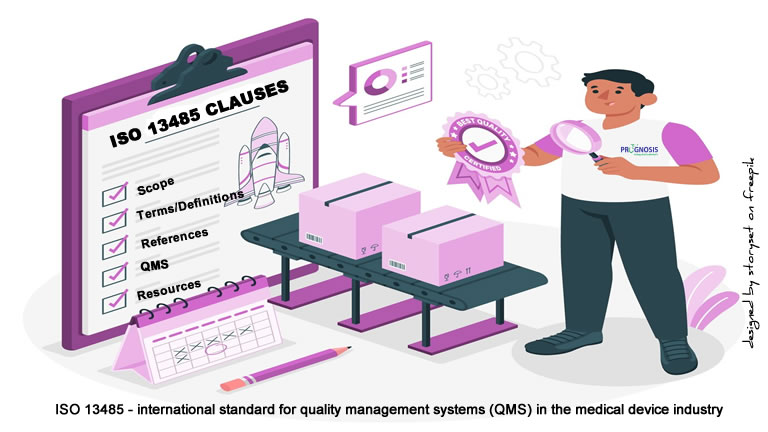
ISO 13485 is an internationally recognized standard for quality management systems (QMS) in the medical device industry. It ensures that organizations consistently meet regulatory requirements and deliver safe and effective medical devices. For small organizations, navigating this standard can be daunting, but understanding its structure and key clauses simplifies implementation and fosters compliance.
Why ISO 13485 Matters
Medical devices directly impact patient safety, and stringent quality controls are non-negotiable. ISO 13485 provides a comprehensive framework to:
- Ensure regulatory compliance.
- Enhance product quality and consistency.
- Reduce risks and improve customer trust.
Small organizations, despite limited resources, must adhere to these standards to compete effectively in global markets. However, they often face unique challenges—from resource constraints to complex regulatory landscapes.
ISO 13485 Structure and Clauses
ISO 13485 is built on a process-based approach, emphasizing risk management, customer focus, and regulatory alignment. Here’s a breakdown of its structure and key clauses:
Clause 1: Scope
This clause outlines the applicability of the standard, emphasizing the need to meet customer and regulatory requirements for medical devices and related services. It applies to organizations of all sizes in the medical device supply chain.
Clause 2: Normative References
This section references ISO 9000, which details the fundamental QMS vocabulary. Understanding these terms is crucial for effective implementation.
Clause 3: Terms and Definitions
Standardized definitions ensure clarity and alignment across the organization. For instance, ‘risk’ is defined in the context of product safety and compliance.
Clause 4: Quality Management System
Organizations must establish a documented QMS, including a quality manual, procedures, and records. For small businesses, maintaining such documentation can be resource-intensive, but it’s vital for traceability and audits.
Clause 5: Management Responsibility
Top management’s commitment is pivotal. This clause emphasizes:
- Establishing a quality policy.
- Setting objectives aligned with regulatory and customer requirements.
- Conducting regular management reviews.
Small organizations often struggle with resource allocation for these reviews, but prioritizing them ensures sustained compliance.
Clause 6: Resource Management
Adequate resources—human, infrastructure, and environmental—are essential. Employee training and competence must align with job roles, and maintaining controlled environments for manufacturing is mandatory.
Clause 7: Product Realization
This clause covers:
- Planning product development.
- Design and development controls.
- Supplier management.
- Production and post-production processes.
For small organizations, managing supplier quality and maintaining detailed design records are common pain points. Tools like supplier portals and QMS software can streamline these processes.
Clause 8: Measurement, Analysis, and Improvement
Organizations must:
- Monitor and measure product quality.
- Manage nonconformities.
- Conduct internal audits.
- Implement corrective and preventive actions.
Small businesses may find these requirements overwhelming. Prioritizing critical areas and leveraging automation tools can simplify compliance.
Challenges for Small Organizations
Implementing ISO 13485 is not without hurdles. Some common challenges include:
Resource Constraints
Small organizations often lack the financial and human resources to develop and maintain a robust QMS. Training employees, documenting processes, and conducting audits can strain limited budgets.
Regulatory Complexity
Navigating diverse regulatory requirements across markets can be overwhelming. ISO 13485 serves as a unifying framework but doesn’t eliminate the need for region-specific compliance efforts.
Supply Chain Management
Ensuring supplier compliance with ISO 13485 requirements is challenging, particularly when dealing with multiple suppliers or limited negotiating power.
Documentation and Traceability
Creating and managing extensive documentation—from design records to audit reports—can be daunting for small teams.
Technological Adaptation
Adopting digital tools for QMS management, while beneficial, requires upfront investment and training.
Best Practices for Effective Implementation
To overcome these challenges, small organizations can adopt the following strategies:
1. Top Management Commitment
Leadership buy-in is critical. Allocate resources for training and QMS development. Demonstrate a culture of quality by involving leadership in regular reviews and decision-making processes.
2. Simplify Documentation
Use templates and checklists to streamline documentation. Focus on essential records, ensuring they’re accurate, up-to-date, and accessible during audits.
3. Leverage Technology
Adopt QMS software to automate tasks such as document control, audit management, and training records. Tools like MasterControl, Greenlight Guru, and Qualio are tailored for ISO 13485 compliance.
4. Prioritize Risk Management
Integrate risk management into every stage of the product lifecycle. Use tools like Failure Mode and Effects Analysis (FMEA) to identify and mitigate potential risks early.
5. Engage Employees
Conduct regular training sessions to enhance awareness and competence. Empower employees to identify quality issues and suggest improvements.
6. Focus on Supplier Management
Collaborate with suppliers to ensure compliance. Use supplier scorecards and conduct periodic evaluations to maintain quality standards.
7. Conduct Internal Audits
Schedule regular internal audits to identify gaps and ensure continuous improvement. Engage third-party auditors if internal expertise is limited.
Recommended GRC Tools for ISO 13485
Several GRC tools can help small organizations streamline compliance:
1. MasterControl
A cloud-based QMS solution offering document management, training management, and CAPA (Corrective and Preventive Action) tracking.
2. Greenlight Guru
Designed specifically for medical device companies, it simplifies compliance with ISO 13485 and FDA regulations.
3. Qualio
Ideal for startups and small businesses, Qualio combines QMS, document control, and training management.
4. Intellect QMS
This no-code platform allows customization of workflows, making it a versatile option for ISO 13485 compliance.
5. Veeva Vault QMS
A scalable solution for managing quality processes, ideal for organizations looking to expand.
This guide demystifies ISO 13485 for small organizations, offering practical steps and solutions for effective implementation. By following these best practices and leveraging recommended tools, you’ll be well-equipped to navigate the path to compliance and quality excellence.
FAQs on ISO 13485
What industries need ISO 13485?
Primarily, ISO 13485 applies to organizations involved in medical device manufacturing, design, distribution, and associated services.
How long does ISO 13485 certification take?
Certification timelines vary, but small organizations can expect a six-month to one-year process depending on readiness and resources.
Can ISO 13485 integrate with other standards?
Yes, ISO 13485 integrates well with ISO 9001 and regulatory frameworks like FDA 21 CFR Part 820.
Plan your ISO 13485 Compliance Right
Implementing ISO 13485 might seem daunting, but with the right strategy and tools, even small organizations can achieve compliance and enhance patient safety. Ready to start your journey? Let us help you build a robust QMS tailored to your needs.
Tech Prognosis Technology Solutions stands out as a premier Managed Technology Services Provider (MSP) with years of experience since 2013. With our commitment to top-tier Service and a proactive approach to technology management, we offer an extensive range of IT services tailored for Small and Medium-Sized Businesses (SMBs).
From IT security to cloud services and beyond, our team of experts is equipped to handle all your IT needs. If you’re looking for a reliable partner to help navigate the complexities of IT management and ensure your systems are always running smoothly, Tech Prognosis Technology Solutions is the best choice.
How to get started?
Ready to embark on your ISO 13485 journey? Take the first step towards securing and optimizing your business’s ISO 13485 environment. Contact us today AT (512) 814-8044 to learn how our solutions can simplify your ISO 13485 implementation.
References
- International Organization for Standardization. “ISO 13485:2016.” ISO.org.
- FDA. “Medical Device Quality Systems Manual.” FDA.gov.
- “Greenlight Guru QMS Platform.” Greenlight Guru.
- Qualio. “Streamlining Compliance for Medical Device Startups.” Qualio.com.
