Introduction
The fast-paced nature of today’s digital world has made the use of technology in the workplace essential for productivity, and efficiency. However, with the advent of Shadow IT, companies are facing a growing threat – the silent leakage of sensitive company data online.
Shadow IT refers to the use of unauthorized or unapproved software, applications, or devices within an organization. While it may seem harmless at first, this practice can have serious consequences, as it can inadvertently expose confidential information to the world.
In this article, we will explore how Shadow IT can silently leak company data online, and provide real-life examples to illustrate the risks involved.
The Silent Threat of Shadow IT
Shadow IT poses a significant risk to organizations for several reasons:
- Data Leakage: When employees use unapproved tools and services, they often do not adhere to the organization’s security protocols, making it easier for data to be leaked or accessed by unauthorized parties.
- Security Vulnerabilities: Shadow IT solutions may not receive the same level of scrutiny and security updates as officially sanctioned tools, leaving them vulnerable to cyberattacks and breaches.
- Regulatory Compliance: Many industries have strict regulations governing the handling of sensitive data. Shadow IT can lead to non-compliance, resulting in hefty fines and reputational damage.
Examples of Shadow IT Data Leaks
Let’s dive into real-world examples of how Shadow IT has silently leaked company data online:
- Unsanctioned Cloud Storage Services: Employees sometimes use personal cloud storage services like Dropbox or Google Drive to store company documents. In 2012, 2016, and 2022, Dropbox suffered data breaches, exposing the email addresses and hashed passwords of millions of users. If employees had uploaded sensitive company information to their personal Dropbox accounts, this breach could have put company data at risk.
- Unapproved Communication Tools: Messaging apps like WhatsApp or Slack may be used for work-related conversations without company approval. In 2020, a vulnerability in WhatsApp allowed attackers to remotely install spyware on users’ phones, potentially exposing sensitive business communications.
- Personal Email Accounts: Employees occasionally send sensitive documents to their personal email accounts for convenience. In 2014, Yahoo experienced a massive data breach, affecting 3 billion accounts. If company data was forwarded to or stored in personal Yahoo email accounts, it could have been compromised.
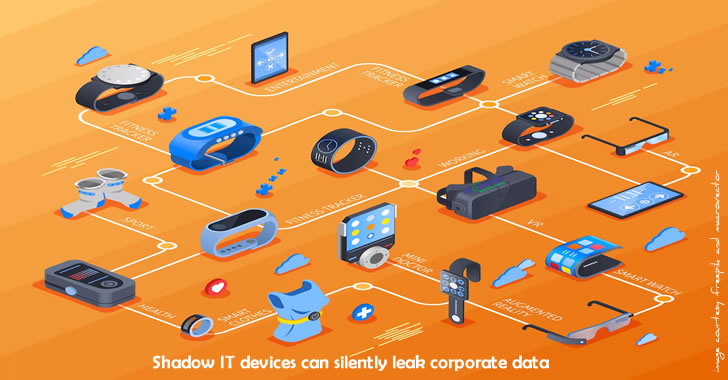
- Shadow IoT Devices: Internet of Things (IoT) devices brought into the workplace, such as smart speakers or security cameras, can be susceptible to hacking. In 2019, researchers discovered vulnerabilities in popular smart cameras, exposing users’ personal data and potentially company information if used in an office setting.
Solutions to Mitigate Shadow IT Risks
Preventing Shadow IT data leaks requires a proactive approach:
- Education and Awareness: Raise awareness among employees about the risks associated with Shadow IT. Train them on the approved tools and best practices for data security.
- Implement Strong Access Controls: Use access controls and permission settings to restrict access to sensitive data. Ensure employees can only access what is necessary for their roles.
- Regular Audits: Conduct regular audits of IT systems to detect and address unauthorized software or devices. Employ advanced security tools to identify and block Shadow IT.
- Approved Tool Alternatives: Encourage employees to report their technology needs, and evaluate whether approved alternatives exist. If not, consider implementing new tools that meet both business requirements and security standards.
- Mobile Device Management (MDM): Implement MDM solutions to manage and secure mobile devices used for work, ensuring compliance with security policies.
- Data Encryption and Endpoint Security: Use encryption to protect sensitive data, and employ robust endpoint security solutions to safeguard devices from malware and unauthorized access.
Conclusion
Shadow IT may seem harmless or even beneficial to employees seeking more efficient tools, but it poses significant risks to organizations. The silent leakage of company data online can result in data breaches, regulatory fines, and damage to an organization’s reputation.
By taking a proactive approach to address Shadow IT, organizations can mitigate these risks and protect their sensitive information from falling into the wrong hands. Educating employees, implementing access controls, and employing security measures are vital steps in securing the digital landscape and ensuring the confidentiality of company data.
If you need assistance with a risk assessment to discover hidden devices in your environment, contact us schedule a visit, or call us at 512-814-8044.
