
When it comes to maintaining a robust Quality Management System (QMS), ISO 9001 serves as the gold standard. Among its many requirements, ISO 9001 Clause 9.2, which deals with internal audits, stands out as a key element. For many organizations, however, the concept of internal audits can feel overwhelming, especially for those unfamiliar with quality management processes.
In this blog, we’ll break down ISO 9001 Clause 9.2 in a way that’s easy to understand. We’ll explore what internal audits are, why they’re essential, and how you can implement them effectively within your organization. Whether you’re a seasoned quality professional or new to the world of ISO standards, this guide will provide practical insights, examples, and actionable steps to help you meet the requirements with confidence.
What is ISO 9001 Clause 9.2?
Clause 9.2 of the ISO 9001 standard focuses on the internal audit process. Internal audits are systematic, independent evaluations of your QMS to determine whether your processes align with the requirements of ISO 9001 and whether they are effectively implemented and maintained.
The purpose of internal audits is to ensure that your organization consistently delivers quality products or services by identifying areas of non-conformance and opportunities for improvement. These audits are not just a compliance requirement but a strategic tool for enhancing your organization’s performance.
Key Requirements of Clause 9.2
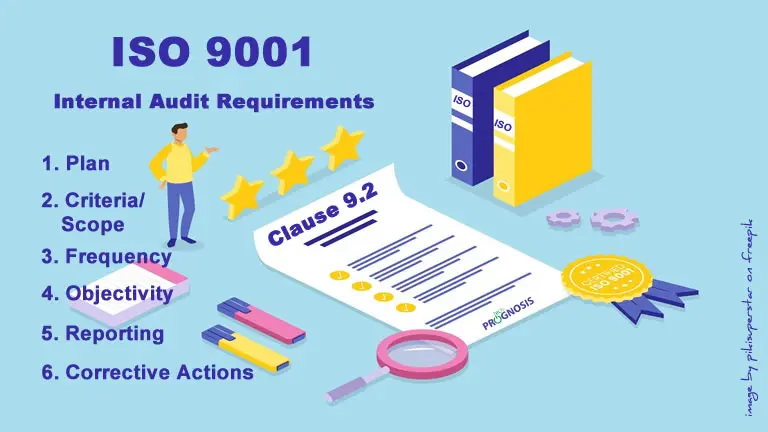
ISO 9001 Clause 9.2 outlines specific requirements that your organization must meet:
- Audit Planning: You must plan internal audits, considering the importance of the processes, changes affecting the organization, and the results of previous audits.
- Audit Criteria and Scope: You must define the criteria (such as the ISO 9001 standard itself) and the scope of each audit, ensuring that they are aligned with the objectives of your QMS.
- Audit Frequency: Internal audits must be conducted at planned intervals, but the frequency should be determined based on the significance of the processes and any risks identified.
- Auditor Objectivity: Auditors must be independent of the processes they audit to ensure objectivity and impartiality.
- Audit Reporting: You must document the results of the audits and report them to relevant management.
- Corrective Actions: If non-conformities are found, corrective actions must be taken without undue delay.
The Purpose of Having Internal Audits Within a Company
The idea of internal audits is to have an objective and impartial person look at the outputs of the processes to ensure that they meet the planned arrangements that were set out for the process.
Under ISO management systems, an organization can monitor threats to impartiality in its internal audits by establishing procedures that regularly assess potential conflicts of interest and biases involving auditors and the audit process. This involves training auditors to recognize and declare any situations that might affect their impartiality.
Regular reviews of audit practices and auditor behaviors by independent personnel can help identify and mitigate any threats. Additionally, rotating auditors and employing a diverse audit team can prevent familiarity biases. Feedback mechanisms for auditees to report concerns regarding auditor impartiality can also support transparency and integrity in the auditing process.
Step-by-Step Guide to Implementing ISO 9001 Clause 9.2
Implementing ISO 9001 Clause 9.2 involves several steps, from planning to taking corrective actions. Let’s break down each step with examples and practical advice.
1. Planning the Internal Audit Program
The first step in implementing Clause 9.2 is to establish an internal audit program. This program should be documented and include the following elements:
- Audit Schedule: Develop an audit schedule that covers all areas of your QMS. The frequency of audits should be based on the complexity and criticality of the processes. For example, if your organization has recently undergone significant changes, you may need to audit those areas more frequently.
- Audit Team: Select a team of auditors who are trained in ISO 9001 and have a good understanding of your organization’s processes. Ensure that auditors are independent of the areas they audit. For instance, if you are auditing the purchasing process, the auditor should not be someone directly involved in purchasing.
- Audit Checklist: Prepare an audit checklist that aligns with the criteria and scope of each audit. This checklist should include specific questions and points to examine, such as whether the process is achieving its intended outcomes and whether it complies with ISO 9001 requirements.
Example: A manufacturing company schedules its internal audits quarterly, with a focus on production processes due to their impact on product quality. The audit team is composed of quality assurance personnel who are not involved in production, ensuring objectivity.
2. Defining Audit Criteria and Scope
The criteria for an internal audit typically include the ISO 9001 standard itself, as well as your organization’s internal procedures and any relevant customer or regulatory requirements. The scope of the audit should define the boundaries of what will be audited, such as specific processes, departments, or locations.
- Audit Criteria: Define what standards, policies, and procedures the audit will measure against. For example, if you’re auditing the customer complaint handling process, the criteria might include compliance with ISO 9001 Clause 8.7 (Control of Nonconforming Outputs) and your internal procedures for handling complaints.
- Audit Scope: Determine the extent and boundaries of the audit. For example, you might decide to audit only the customer service department’s handling of complaints during a specific period.
Use Case: An IT services company decides to audit its incident management process. The criteria include ISO 9001 requirements and the company’s incident management procedures. The scope is limited to incidents logged in the last six months within the customer support department.
3. Conducting the Internal Audit
Once the planning phase is complete, the actual audit can be conducted. The audit process typically involves the following steps:
- Opening Meeting: Begin with an opening meeting with the audit team and relevant department heads. The purpose of this meeting is to review the audit objectives, criteria, and scope and to address any concerns or questions.
- On-Site Audit: The audit team will then conduct the audit by reviewing documents, observing processes, and interviewing employees. For example, if the audit is focused on the calibration of measuring instruments, the auditors might review calibration records, inspect the instruments, and interview the personnel responsible for calibration.
- Recording Findings: As the audit progresses, the auditors should record their findings, noting both areas of compliance and any non-conformities or opportunities for improvement. This documentation will form the basis of the audit report.
Example: During an audit of the purchasing process, auditors discover that some suppliers have not been evaluated as required by the company’s supplier management procedure. This is recorded as a non-conformity.
4. Reporting the Audit Results
After the audit is completed, the results must be reported to management. The audit report should be clear, concise, and include the following:
- Summary of Findings: Provide an overview of the audit, including the areas audited, the criteria and scope, and the overall outcome (e.g., whether the processes audited conform to ISO 9001 requirements).
- Non-Conformities: List any non-conformities identified during the audit, along with evidence and references to the relevant criteria.
- Opportunities for Improvement: Highlight any areas where improvements could be made, even if they are not non-conformities.
- Corrective Actions: If non-conformities were found, specify the corrective actions that need to be taken, who is responsible, and the deadline for completion.
Use Case: A healthcare provider’s internal audit of its patient record management process reveals that some records are not being updated in a timely manner. The audit report includes this as a non-conformity and recommends a corrective action plan to address the issue.
5. Taking Corrective Actions
The final step in the internal audit process is to take corrective actions to address any non-conformities. This involves:
- Root Cause Analysis: Investigate the root cause of the non-conformity. For example, if the audit found that supplier evaluations were not being conducted, the root cause might be a lack of training or unclear procedures.
- Implementing Corrective Actions: Develop and implement a plan to correct the non-conformity. This might involve revising procedures, providing additional training, or making changes to the process.
- Follow-Up Audit: After corrective actions have been implemented, a follow-up audit should be conducted to ensure that the non-conformity has been effectively addressed.
Example: After identifying that supplier evaluations were not being conducted, the purchasing department revises its procedures and conducts training for all relevant staff. A follow-up audit confirms that supplier evaluations are now being performed as required.
Common Challenges and Solutions in Implementing ISO 9001 Clause 9.2
While implementing Clause 9.2 is straightforward, organizations may encounter challenges. Here are some common issues and how to address them:
- Lack of Auditor Objectivity: Ensuring that auditors are independent of the processes they audit is crucial. If your organization is small and resources are limited, consider cross-training employees from different departments to audit each other’s processes.
- Inadequate Audit Planning: Failing to plan audits properly can lead to gaps in coverage or missed non-conformities. To avoid this, use a risk-based approach to prioritize audits and ensure that your audit schedule is comprehensive.
- Resistance to Audits: Employees may view audits as a punitive measure. To counter this, emphasize the purpose of audits as a tool for improvement rather than punishment. Involve employees in the audit process and communicate the benefits of audits in terms of quality and customer satisfaction.
- Corrective Actions Not Implemented: Sometimes, corrective actions are identified but not followed through. To prevent this, assign clear responsibilities and deadlines for corrective actions and monitor their implementation closely.
Benefits of Effective Internal Audits
When implemented effectively, internal audits offer numerous benefits:
- Continuous Improvement: Regular audits help identify areas for improvement, leading to ongoing enhancements in your processes and products.
- Increased Compliance: Internal audits ensure that your organization consistently meets ISO 9001 requirements and any other relevant standards or regulations.
- Enhanced Customer Satisfaction: By identifying and addressing issues before they affect customers, internal audits contribute to higher levels of customer satisfaction.
- Risk Management: Audits help identify risks and take proactive steps to mitigate them, reducing the likelihood of non-conformities and associated costs.
Conclusion and Call to Action
Implementing ISO 9001 Clause 9.2 is a vital step in maintaining and improving the quality of your organization’s products or services. By following the steps outlined in this guide – planning your audits, defining criteria and scope, conducting the audit, reporting results, and taking corrective actions – you can ensure that your internal audits are effective and contribute to the overall success of your organization.
Ready to take your internal audits to the next level? Start by reviewing your current audit practices and identifying areas for improvement. If you need assistance, consider reaching out to a qualified consultant or exploring training opportunities to strengthen your audit team’s capabilities. Remember, effective internal audits are the foundation of a robust Quality Management System and a key to long-term success.
Take the first step towards stronger internal audits today! Subscribe to our newsletter for more insights on ISO 9001 implementation, or contact us at (512) 814-8044 to learn how we can help you enhance your Quality Management System.
References:
- ISO 9001:2015 Quality Management Systems – Requirements. International Organization for Standardization (ISO), 2015.
- Guidelines for Auditing Management Systems (ISO 19011:2018). International Organization for Standardization (ISO), 2018.
- “The Importance of Internal Audits in ISO 9001:2015,” BSI Group. Available at: BSI Group
- “How to Conduct an Effective Internal Audit,” ASQ (American Society for Quality). Available at: ASQ
- “Internal Auditing in ISO 9001: Best Practices,” Quality Digest. Available at: Quality Digest
These references provide additional context and support for understanding the implementation of ISO 9001 Clause 9.2 and internal audits in general.
