
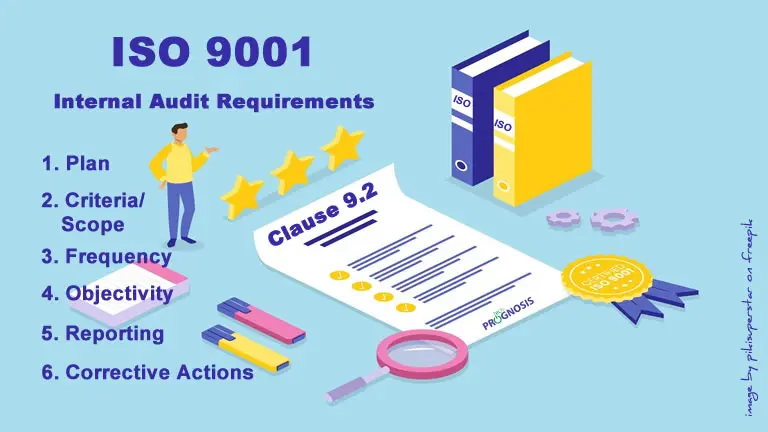
When it comes to maintaining a robust Quality Management System (QMS), ISO 9001 serves as the gold standard. Among its many requirements, ISO 9001 Clause 9.2, which deals with internal audits, stands out as a key element. For many organizations, however, the concept of internal audits can feel overwhelming, especially for those unfamiliar with quality management processes.
In this blog, we’ll break down ISO 9001 Clause 9.2 in a way that’s easy to understand. We’ll explore what internal audits are, why they’re essential, and how you can implement them effectively within your organization. Whether you’re a seasoned quality professional or new to the world of ISO standards, this guide will provide practical insights, examples, and actionable steps to help you meet the requirements with confidence.
What is ISO 9001 Clause 9.2?
Clause 9.2 of the ISO 9001 standard focuses on the internal audit process. Internal audits are systematic, independent evaluations of your QMS to determine whether your processes align with the requirements of ISO 9001 and whether they are effectively implemented and maintained.
The purpose of internal audits is to ensure that your organization consistently delivers quality products or services by identifying areas of non-conformance and opportunities for improvement. These audits are not just a compliance requirement but a strategic tool for enhancing your organization’s performance.
