The MGM Cyber Attack and Lessons in Risk Management
In the ever-evolving landscape of the digital world, cybersecurity has taken center stage. The MGM cyber attack serves as a stark reminder of the constant threat lurking in the shadows of the web. This unfortunate incident, though disconcerting, offers us a valuable lesson in risk management.
It is crucial to learn from these events and take proactive steps to safeguard our digital assets. In this article, we will explore the MGM cyber attack, the lessons it imparts on risk management, and provide practical mitigation steps and solution examples to help organizations
Understanding the MGM Cyber Attack
Before delving into risk management solutions, let’s take a moment to understand what happened during the MGM cyber attack. In September 2023, MGM Resorts suffered a data breach, leading to the exposure of personal information belonging to customers who transacted with MGM Resorts prior to March 2019. This included names, contact information, gender, dates of birth and driver license number. For a limited number of customers, the hackers also accessed Social Security numbers and passport details. According to Bloomberg, the breach stemmed from a social engineering breach of the company’s information technology help desk. MGM’s experience highlights the importance of robust cybersecurity practices.
Lessons in Risk Management from the MGM cyber attack
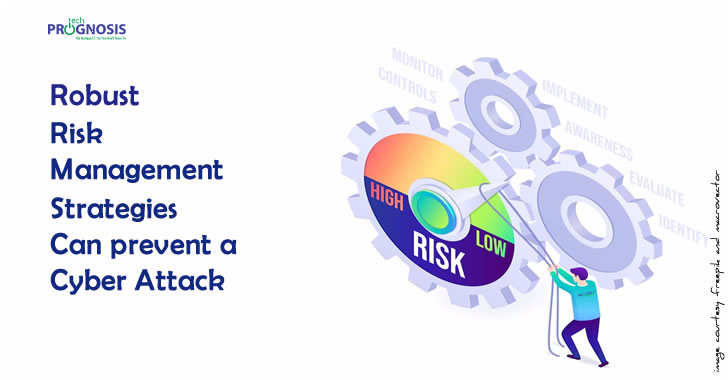
This incident underscored the importance of robust risk management strategies and the need for proactive measures to prevent such breaches.
Lesson 1: Prioritizing Data Protection
The MGM cyber attack taught us the first crucial lesson: prioritize data protection. To mitigate risks effectively, organizations must:
- Encrypt Sensitive Data: Encrypting data at rest and in transit ensures that even if a breach occurs, the stolen information remains indecipherable to cybercriminals.
- Regularly Update Security Software: Keeping antivirus, firewalls, and intrusion detection systems up to date can prevent known vulnerabilities from being exploited.
- Secure Access Control: Implement stringent access controls, limiting access to sensitive data to only authorized personnel.
Lesson 2: Employee Training and Awareness
The human element often plays a significant role in cyberattacks. Employees can inadvertently fall victim to phishing scams or unknowingly compromise security. To address this, organizations should:
- Conduct Cybersecurity Training: Regularly educate employees about common cyber threats, such as phishing and social engineering, and provide guidance on how to identify and respond to them.
- Encourage Reporting: Create a culture where employees feel safe reporting any suspicious activity. Prompt reporting can help detect and respond to threats in their early stages.
- Multi-Factor Authentication (MFA): Implement MFA for accessing sensitive systems and data, adding an additional layer of security beyond passwords.
Lesson 3: Incident Response Planning
In the face of a cyberattack, a well-prepared incident response plan can make all the difference. Key steps include:
- Form an Incident Response Team: Assemble a dedicated team of experts to handle incidents swiftly and effectively.
- Define Procedures: Develop clear procedures for identifying, containing, eradicating, and recovering from cyber incidents.
- Regular Testing: Regularly test your incident response plan through tabletop exercises and simulations to ensure its effectiveness.
Lesson 4: Vendor Risk Management
Many cyber attacks, including the MGM breach, originate from third-party vendors. To mitigate vendor-related risks:
- Vendor Assessment: Prioritize due diligence in assessing the cybersecurity practices of third-party vendors.
- Contractual Obligations: Include stringent security clauses in vendor contracts to hold them accountable for data protection.
- Continuous Monitoring: Regularly monitor and evaluate the security practices of your vendors.
Real-World Solutions and the MGM cyber attack
Learning from the MGM cyber attack, let’s explore some real-world solutions and examples that can enhance your organization’s risk management strategies.
1. Zero Trust Architecture
Implement a Zero Trust architecture, which treats every user and device as potentially untrusted, regardless of their location. This approach verifies identity and enforces strict access controls, reducing the attack surface.
2. Cybersecurity AI and Machine Learning
Leverage AI and machine learning to detect anomalies and potential threats in real-time. These technologies can analyze vast amounts of data and recognize patterns that may elude human analysts.
3. Bug Bounty Programs
Launch a bug bounty program to encourage ethical hackers to find vulnerabilities. Consider adopting a similar approach to proactively identify and address security issues before malicious actors can exploit them.
4. Continuous Monitoring
Regularly monitor your systems and networks for unusual activities. Early detection of a breach can significantly reduce the damage caused. Tools like Security Information and Event Management (SIEM) systems can be invaluable in this regard.
Conclusion
The MGM cyber attack, though regrettable, offers valuable insights into the world of risk management in the digital age. By promoting a culture of security, training employees, safeguarding cloud configurations, and implementing security measures such as encryption, MFA, and incident response plans, organizations can significantly reduce their vulnerability to cyber threats.
Moreover, real-world solutions like Zero Trust architecture, AI-driven cybersecurity, bug bounty programs, and continuous monitoring can bolster an organization’s defenses against evolving cyber threats. As technology continues to advance, staying vigilant and proactive in managing risks will be our best defense against cyber attacks.
What you should do now
Below are ways we can help you begin your journey to reducing data risk at your company:
- Schedule a conversation session with us, where we can explore the challenges your organization is facing, answer your questions, and help you see if Tech Prognosis is right for you.
- Download one of our subject matter guides and reports and learn the risks associated with data exposure.
You can also share this blog post with someone you know who’d enjoy reading it. Share it with them.
