Access Control and the NIST Cybersecurity Framework

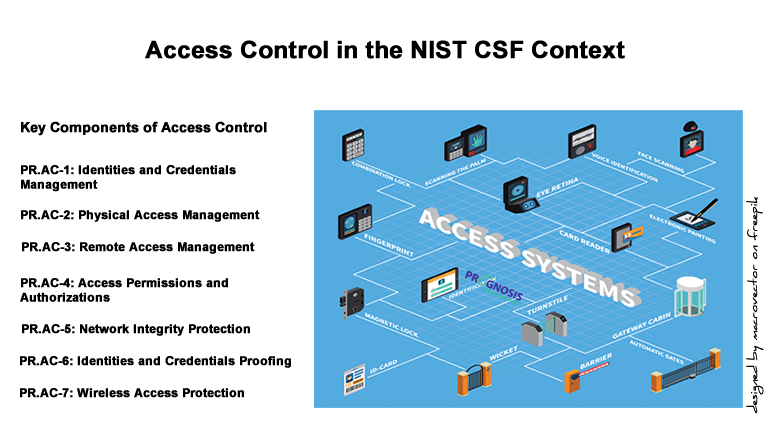
Access control systems isometric flowchart showing security systems using biometric verification, face and voice recognition, accessibility lock, security barriers etc.

Protecting Your Austin Business: A Deep Dive into Access Control and the NIST Cybersecurity Framework

If you’ve ever used a key card to enter your office building or typed a password into your laptop, you’ve experienced access control in action. But behind these everyday interactions lies a sophisticated security discipline that can make or break your organization’s cybersecurity posture—especially here in Austin, where our thriving tech scene and diverse business landscape make us an attractive target for cybercriminals.

As someone who’s spent years helping Texas businesses strengthen their security foundations, I’ve seen firsthand how proper access control can prevent devastating breaches, while poor implementation can lead to catastrophic consequences. Today, let’s explore access control through the lens of the NIST Cybersecurity Framework (CSF) and discuss how Austin organizations can protect their most valuable assets.

What is Access Control in the NIST CSF Context?

The National Institute of Standards and Technology (NIST) Cybersecurity Framework organizes cybersecurity activities into five core functions: Identify, Protect, Detect, Respond, and Recover. Access control falls squarely within the Protect Function, which focuses on developing and implementing appropriate safeguards to ensure delivery of critical services.

Specifically, access control is addressed in the Access Control (PR.AC) category of the Protect function. The NIST CSF defines this as managing access to assets and associated facilities to ensure that only authorized users, processes, or devices can access them—and only in a manner appropriate to their authorization level.

Think of access control as the digital and physical gatekeeper of your organization. It’s the system of policies, procedures, and technologies that determines who can enter your premises, what data they can view, which systems they can use, and what actions they can perform.

In Austin’s competitive business environment, where companies from healthcare startups to financial services firms handle sensitive information daily, robust access control isn’t just good practice—it’s essential for survival.

Read more

Share

Preset Security Policies: Keeping Your Organization Safe and Sound

Isometric image showing simulated preset security polices for access control, data protection, network security, anti-phishing and incident response. Businesspeople shake hands at device screens with document 3d vector.

Preset Security Policies: Keeping Your Organization Safe and Sound

In the fast-paced technology world we now live in, the security of our data and systems has become paramount. Every sector, from healthcare to finance to education, faces unique security challenges. One effective way to manage these challenges is through preset security policies. These policies provide a framework to help organizations maintain a secure posture and protect their critical assets.

In this article, we will walk you through the importance of preset security policies, provide sector-specific examples, highlight common challenges, and offer best practices. We’ll also recommend some popular tools for policy management to help you get started. Let’s dive in!

Read more

Share

Enhancing Cybersecurity: Implementing NIST Cybersecurity Framework (CSF) with COBIT 2019

Collaboration concept with human characters and artificial intelligence elements, simulating the NIST Cybersecuriy Framework (CSF) and the Control Objectives for Information and Related Technologies (COBIT) 2019 framework working together.

Today’s digital landscape is rapidly evolving and organizations face an ever-increasing threat of cyberattacks as a quick scan of news headlines about breaches and data leaks, including the recent cybersecurity attack on MGM shows. To address this challenge, it is crucial for businesses to adopt comprehensive cybersecurity frameworks. Two such frameworks that can work harmoniously to fortify your organization’s cybersecurity posture are the National Institute of Standards and Technology’s Cybersecurity Framework (NIST CSF) and the Control Objectives for Information and Related Technologies (COBIT 2019).

In this article, we will explore how an organization can effectively implement the NIST CSF using COBIT 2019, promoting security, compliance, and resilience.

Understanding the NIST Cybersecurity Framework (CSF)

The NIST CSF, developed by the National Institute of Standards and Technology, is a widely accepted cybersecurity framework that offers a structured approach to managing and reducing cybersecurity risk. It is built on five core functions: Identify, Protect, Detect, Respond, and Recover. These functions provide a holistic view of cybersecurity management and assist organizations in identifying vulnerabilities, protecting assets, and responding to security incidents.

Read more

Share

The MGM Cyber Attack: A Masterclass in Risk Management

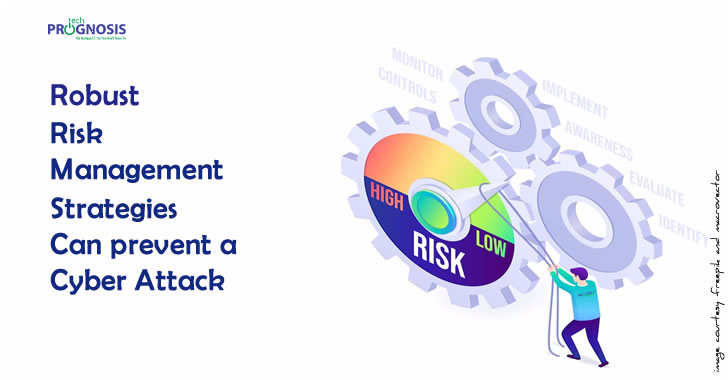
Image of a man pulling on a gear device marked high and low risk, and the words “Robust risk management strategies can prevent a cyber attack” in the background.

The MGM Cyber Attack and Lessons in Risk Management

In the ever-evolving landscape of the digital world, cybersecurity has taken center stage. The MGM cyber attack serves as a stark reminder of the constant threat lurking in the shadows of the web. This unfortunate incident, though disconcerting, offers us a valuable lesson in risk management.

It is crucial to learn from these events and take proactive steps to safeguard our digital assets. In this article, we will explore the MGM cyber attack, the lessons it imparts on risk management, and provide practical mitigation steps and solution examples to help organizations

Understanding the MGM Cyber Attack

Before delving into risk management solutions, let’s take a moment to understand what happened during the MGM cyber attack. In September 2023, MGM Resorts suffered a data breach, leading to the exposure of personal information belonging to customers who transacted with MGM Resorts prior to March 2019. This included names, contact information, gender, dates of birth and driver license number. For a limited number of customers, the hackers also accessed Social Security numbers and passport details. According to Bloomberg, the breach stemmed from a social engineering breach of the company’s information technology help desk. MGM’s experience highlights the importance of robust cybersecurity practices.

Read more

Share

Addressing Significant Gaps in an Organization’s IAM Framework

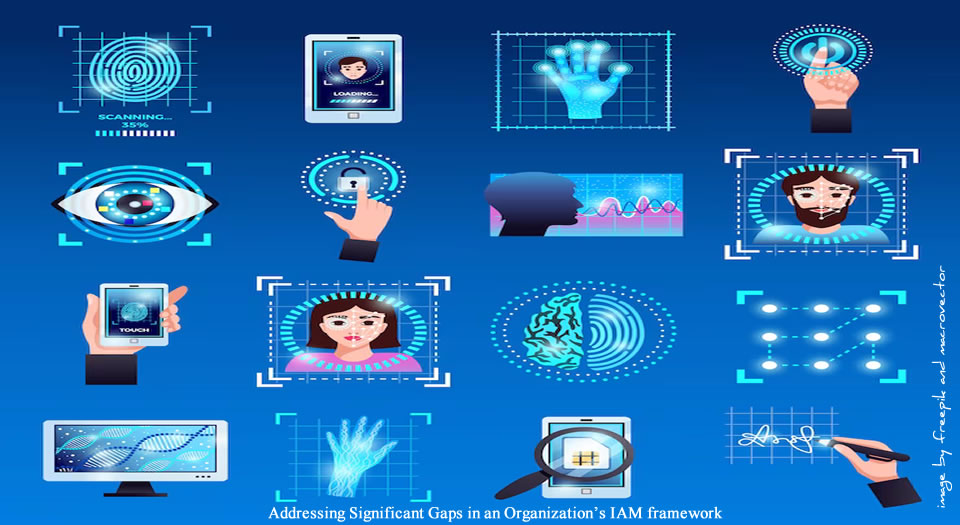
Image of identification technologies symbols and touch screen fingerprint recognition ID system.

A recent risk assessment of an organization’s IT environment revealed significant gaps in the current IAM framework, including ineffective access control policies, weak authentication mechanisms, and insufficient monitoring and auditing procedures.

This could as well be your organization, and here, we suggest recommendations to address these issues.

What is an Identity and Access Management or IAM Framework?

An Identity and Access Management framework is the combination of two information security controls: identity management and access management.

Identity management is the method used to classify a user, group or device on a network with the goal of placing identified resources into categories so that network and security policies can be applied. For example, it checks checks a login attempt against an identity management database.

Access management on the other hand refers to the way an organization determines who or what on a network has the right to connect to a particular resource as determined by factors like job title, tenure, security clearance, and project etc.

Read more

Share
Share
Share