Cryptocurrency Mining: A Simple Guide for Everyone

Image of cryptocurrency mining isometric concept with people working at laptop or mining farm.


Navigating the World of Cryptocurrency Mining and Why Small Organizations Should Be Worried About Illicit Crypto Mining Activities

In recent years, cryptocurrencies have emerged as a revolutionary force in the financial world. Bitcoin, Ethereum, and other digital currencies are becoming household names. But how exactly do these virtual currencies come into existence? At the heart of this digital revolution lies a process called cryptocurrency mining. For many, cryptocurrency mining remains a mysterious and complex activity, but it doesn’t have to be.

This article will demystify crypto mining, provide practical examples, and explore its various use cases in an easy-to-understand manner. Whether you’re a seasoned professional or someone curious about the digital currency world, this guide is for you.

What is cryptocurrency?

Cryptocurrency is a form of digital currency that can be used in exchange for goods, services, and even real money, similar to other currencies. However, unlike other currencies, cryptocurrency operates independently of a central bank and uses encryption techniques and blockchain technology to secure and verify transactions.

To quote Malwarebytes, “Two words—“cryptography” and “currency”—combine to form “cryptocurrency,” which is electronic money, based on the principles of complex mathematical encryption. All cryptocurrencies exist as encrypted decentralized monetary units, freely transferable between network participants.” Or put more simply, cryptocurrency is electricity converted into lines of code, which have a real monetary value.  (See a detailed article by Malwarebytes on this topic here).

Read more

Share

18 Ways to Address Critical Vulnerabilities in Technology Systems

Image of a computer screen with a list of ways to protect again system vulnerabilities around it.

Addressing critical vulnerabilities in your enterprise’s systems is crucial for maintaining the security and integrity of your organization’s data and operations.

A recent security assessment of an organization’s information technology systems revealed several critical vulnerabilities that demanded immediate attention. In this article, we  outline 18 necessary steps that could be taken to mitigate identified risks to technology systems.

What is a Vulnerability?

According to The Open Worldwide Application Security Project (OWASP) Foundation, a vulnerability is a hole or a weakness in the application, which can be a design flaw or an implementation bug, that allows an attacker to cause harm to the stakeholders of an application.

Examples of vulnerabilities could be things like:

Read more

Share

The MGM Cyber Attack: A Masterclass in Risk Management

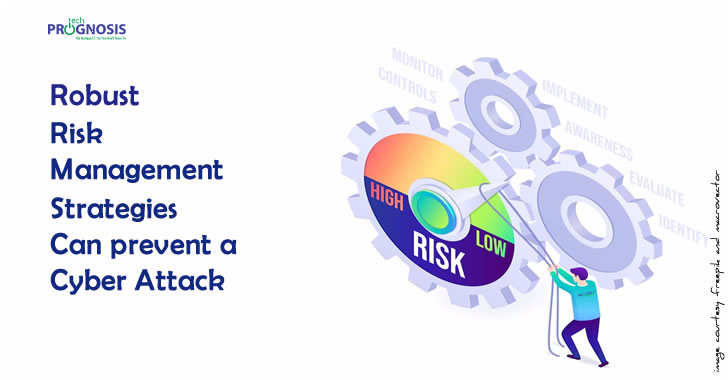
Image of a man pulling on a gear device marked high and low risk, and the words “Robust risk management strategies can prevent a cyber attack” in the background.

The MGM Cyber Attack and Lessons in Risk Management

In the ever-evolving landscape of the digital world, cybersecurity has taken center stage. The MGM cyber attack serves as a stark reminder of the constant threat lurking in the shadows of the web. This unfortunate incident, though disconcerting, offers us a valuable lesson in risk management.

It is crucial to learn from these events and take proactive steps to safeguard our digital assets. In this article, we will explore the MGM cyber attack, the lessons it imparts on risk management, and provide practical mitigation steps and solution examples to help organizations

Understanding the MGM Cyber Attack

Before delving into risk management solutions, let’s take a moment to understand what happened during the MGM cyber attack. In September 2023, MGM Resorts suffered a data breach, leading to the exposure of personal information belonging to customers who transacted with MGM Resorts prior to March 2019. This included names, contact information, gender, dates of birth and driver license number. For a limited number of customers, the hackers also accessed Social Security numbers and passport details. According to Bloomberg, the breach stemmed from a social engineering breach of the company’s information technology help desk. MGM’s experience highlights the importance of robust cybersecurity practices.

Read more

Share

Patches And Updates Protects Computer Systems

Image of Lady Technician pointing at update progress bar on computer screen.

System patching is critical to the security of the software and hardware that make up computer systems. When vendors become aware of vulnerabilities in their products, like the recent discovery of multiple flaws in Apache’s Log4j logging library, they often issue patches to fix those vulnerabilities. Making sure that relevant patches are applied to the computer systems that are critical to your organization as soon as possible can keep your systems protected.

What are patches?

Patches are software and operating system (OS) updates that address security vulnerabilities within a program or product. Software vendors may choose to release updates to fix performance bugs, as well as to provide enhanced security features.

How do you find out what software updates you need to install?

When software updates become available, vendors usually put them on their websites for users to download. Some vendors like Microsoft, Apple, Google and Adobe, provide these updates or patches through an automated system. Install updates as soon as possible to protect your computer, phone, or other digital device against attackers who would take advantage of system vulnerabilities. Attackers may target vulnerabilities for months or even years after updates are available.

Read more

Share

Website Attacks: How You Can Protect Your Organization

Computer and programming codes secured against website attacks

Malicious files and links regularly bypass security products, leaving many organizations vulnerable to web-based attacks including Ransomware, Phishing and data breaches like Emotet, Dridex, Maze, Lokibot, Wannacry etc. Organizations can enhance security against website attacks by following cyber security best practices like the implementation of a multi-layered security concept known as Defense-in-Depth.

Following the recommendations of the Cybersecurity and Information Security Agency (CISA) encouraging website administrators to review it’s updated “Tip on Website Security”, we are using this article as a public service educational piece with the hope that it will help those who manage websites for small organizations to take the necessary steps to protect against website attacks.

What is website security?

Website security refers to the protection of personal and organizational public-facing websites from cyber attacks.

Why should I care about website security?

Cyber attacks against public-facing websites—regardless of size—are common and may result in:

  • Website defacement,
  • Loss of website availability or denial-of-service (DoS) condition,
  • Compromise of sensitive customer or organizational data,
  • An attacker taking control of the affected website, or
  • Use of website as a staging point for watering hole attacks.

These threats affect all aspects of information security—confidentiality, integrity, and availability—and can gravely damage the reputation of the website and its owner.

Read more

Share

Compliance And Security: How Small Businesses Can Reduce Cost

Different facets of compliance management

Are you responsible for the ongoing effectiveness of your security strategy and compliance audits in your small business or organization?

Some of the main threats facing small businesses and organizations today include:

  • Data breaches,
  • The lack of  dedicated security expert on staff,
  • Being an easy target for hackers,
  • The tendency to mishandle device configuration settings  and
  • Staying in  compliance with state and federal laws and regulation.

A primary concern for any business owner is the guardianship of customer and business data from increasing external threats to security, and tougher compliance requirements in regulated industries.

As a matter of fact, today, organizations and businesses must manage, govern and ensure compliance for the overwhelming amount of data they produce, especially in the face of global legislation like CCPA and GDPR, rather than national regulations.”

Read more

Share
Share
Share