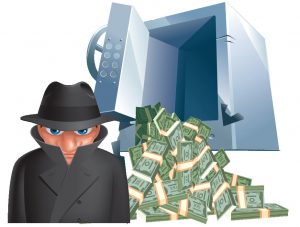
Provide Critical Data Security Using Locks

Provide Critical Data Security Using Old Fashioned Locks

Sometimes the key to data security is an old-fashioned lock. Here’s some  advice on protecting your customers and employees by securing sensitive data. One important tip: Lock it — Protect the information that you keep.

  1. Lock, stock — or peril. Computer defenses can be critical, but when it comes to protecting personal information, don’t forget “old school” physical security, too.
    Discourage light-fingered passersby by making sure every employee has a secure drawer or locker.
    Centralize sensitive paperwork and limit access to employees with a legitimate business need.
    Remind them not to leave documents out when they step away from their desks.
    Shipping data offsite? Consider encrypting it and using a mailing method that will allow you to track the package en route.

    Read more

Share

Why Businesses Need Managed Firewalls

Businesses And Organizations Need Managed Firewalls In This Era of Persistent Cyber Attacks

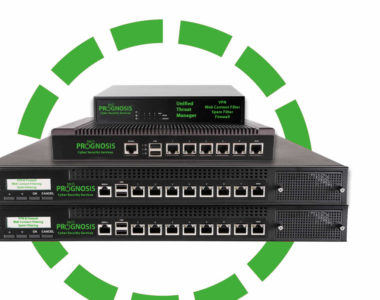
Unified Threat Management Appliance

Hardly a day goes by without some news about a data breach. Whether it’s the Credit Card breach at Goodwill Industries, or at  P.F. Chang’s, we hardly pay attention. Want to know why?  It is because cyber-crime is so rampant that it doesn’t even make the news anymore.  This is a challenge our small business customers face everyday, just like the big boys, but without the sophisticated resources.  Like it or not, your small business or organization is a target.

Imagine not being able to send or receive e-mail for days, possibly weeks. Most small business owners don’t think this could happen because they have a “reputable” anti-virus software installed. Sadly, they are operating on a false sense of security and hackers are praying that small business owners keep thinking that way.

One of the most common stunts hackers pull is breaking through a software firewall to hijack a server. Once they’re in, they use YOUR server to relay spam and other viruses to millions of users in a matter of seconds.

This is double bad for two reasons:

Read more

Share

Small Businesses and Dangerous Fraud Protection Assumptions

Small Businesses and Dangerous Fraud Protection Assumptions

The Single Most Dangerous Assumption Businesses Make About Fraud Protection That Can Cause Them To Lose ALL Their Money

Small Businesses and Dangerous Fraud Protection Assumptions

Here’s a shocker to most business owners: Your bank often can NOT reclaim money stolen from your bank account due to fraud or cyber-crime. That means if money gets drafted from your business bank account from a hacker, phishing attack, identity theft or by any other means, you have little to no chance of getting it back.

This often comes as a surprise to businesses who think the FDIC will “save” them from getting their accounts wiped out, and can get the money back once taken. The reality is that the FDIC insurance is to protect you from bank failure, NOT fraud. So if your debit card or account information gets accessed by a hacker and you don’t notice it within the same day, you can pretty much kiss that money goodbye.

Recent studies have shown that 83% of small businesses take no formal measures against cyber threats even though almost half of all attacks are aimed at them.

Here are 5 essential steps you can take right now to protect your business:

Read more

Share

Password Strength is Key in Business and Personal Information Security

In today’s technologically driven business marketplace one of most often overlooked points of vulnerability to your business and personal information security is the strength or weakness of the passwords that you define for usage when logging into: your computer network, email provider, online banking, accounting or payroll applications. To underestimate the importance of strong passwords … Read more

Share
Share
Share