Electronic Payments: Protecting Your Employees and Organization

Electronic Payments and Protection

Employees or small organizations are using electronic payments more than ever before. As the use of credit cards to make purchases and payments replaces the use of cash, and online merchants supplant brick-and-mortar stores, protecting electronic payments becomes more important.

Whether you are making payments for your own personal consumption or on behalf of your organization, electronic payments need to be protected.

Online sales in the United States grew to a record high of nearly 19 percent during the 2019 holiday season. At the same time, the convenience of using credit cards and other electronic payment services is compelling consumers to rapidly reduce their use of cash.

The 2019 Diary of Consumer Payment Choice report shows that cash is used about 50 percent of the time for in-person transactions under $10 (for things like lunch or coffee). For larger purchases of $25 or more, cash is used only 10 percent of the time. Cyber-criminals are taking advantage of the increase in electronic payments.

Read more

Share

Wireless Router: How To Protect Your Office And Home Wi-Fi Network

Wireless router technology symbol

Did you know that a wireless router can be the biggest security risk at your office?

In our region, thousands of companies use a cheap wireless router to protect their network. They don’t realize that hackers and malware can often bypass them and hurt the business.

What would a few days of network outage cost you? What would happen if your customer data was stolen? If you rely on a cheap wireless router, then these problems may be just a click away.

You should never use a router to protect your network. However, if you are stuck with one, the following steps may help limit your risk.

Steps to secure your wireless router

You can find many of the settings described below by logging into your router’s settings page.

Read more

Share

Website Attacks: How You Can Protect Your Organization

Computer and programming codes secured against website attacks

Malicious files and links regularly bypass security products, leaving many organizations vulnerable to web-based attacks including Ransomware, Phishing and data breaches like Emotet, Dridex, Maze, Lokibot, Wannacry etc. Organizations can enhance security against website attacks by following cyber security best practices like the implementation of a multi-layered security concept known as Defense-in-Depth.

Following the recommendations of the Cybersecurity and Information Security Agency (CISA) encouraging website administrators to review it’s updated “Tip on Website Security”, we are using this article as a public service educational piece with the hope that it will help those who manage websites for small organizations to take the necessary steps to protect against website attacks.

What is website security?

Website security refers to the protection of personal and organizational public-facing websites from cyber attacks.

Why should I care about website security?

Cyber attacks against public-facing websites—regardless of size—are common and may result in:

  • Website defacement,
  • Loss of website availability or denial-of-service (DoS) condition,
  • Compromise of sensitive customer or organizational data,
  • An attacker taking control of the affected website, or
  • Use of website as a staging point for watering hole attacks.

These threats affect all aspects of information security—confidentiality, integrity, and availability—and can gravely damage the reputation of the website and its owner.

Read more

Share

Compliance And Security: How Small Businesses Can Reduce Cost

Different facets of compliance management

Are you responsible for the ongoing effectiveness of your security strategy and compliance audits in your small business or organization?

Some of the main threats facing small businesses and organizations today include:

  • Data breaches,
  • The lack of  dedicated security expert on staff,
  • Being an easy target for hackers,
  • The tendency to mishandle device configuration settings  and
  • Staying in  compliance with state and federal laws and regulation.

A primary concern for any business owner is the guardianship of customer and business data from increasing external threats to security, and tougher compliance requirements in regulated industries.

As a matter of fact, today, organizations and businesses must manage, govern and ensure compliance for the overwhelming amount of data they produce, especially in the face of global legislation like CCPA and GDPR, rather than national regulations.”

Read more

Share

Webcam Spying: How To Protect The Privacy of Your Employees

Various devices that can be usedfor webcam spying
Exponential advancements in technology has brought with it a dark side. Webcam spying and hacking is on the rise, and it’s our own fault.

As the workforce grows more mobile and businesses grow globally, the task of keeping your employees and organization safe from cyber threats can no longer just be to safeguard them only against external threats.

It is increasing becoming apparent that a more insidious threat, referred to as “an insider threat” is more than capable of leaving the critical data of your business vulnerable.

A good example of this is an analyses of the way employees interact with data across the organization, and how their actions can unwittingly defeat the protection of business data while exposing themselves to privacy concerns like webcam spying, especially in organizations without effective workforce and computer security monitoring programs.

Do your employees ever complain of having a funny feeling that they are being watched in the office, or in their hotel rooms when they are on the road? If so, you’re in the same boat as a lot of other Internet users.

As creepy as it sounds, webcam hacking and spying is a real danger, and peeping Toms could be watching your employees’ every move, in the privacy of their hotel rooms.

Read more

Share

Is Your Small Business Router Priming You For Disaster?

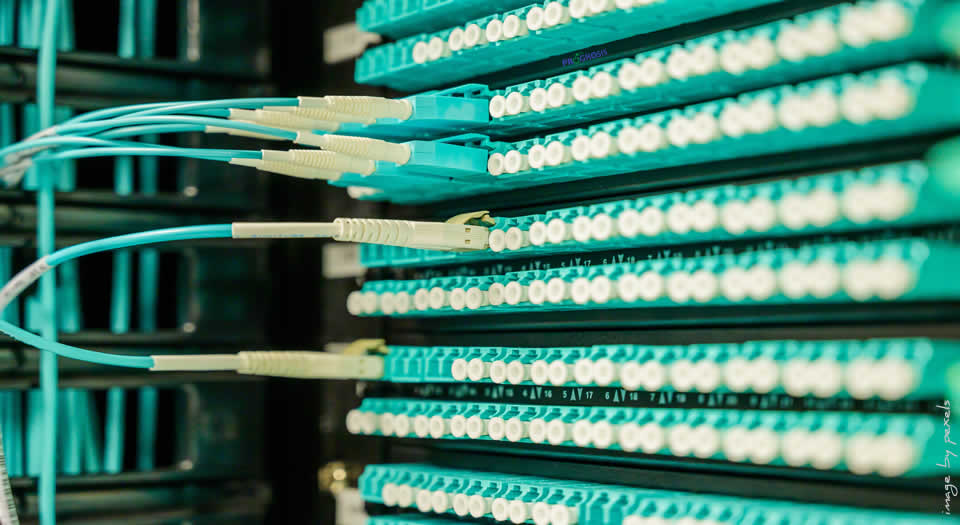
Computer network router with cables plugged in

Network routers are the essential but unheralded workhorses of modern computer networking, yet few business (and home-office) users realize they are computers, with their own operating systems, software and vulnerabilities. Is your network router going to be the downfall of your business or organization?

Using a less that adequate network router to power your business could leave your organization routed for disaster. And, relying on a weak router like the ones made specifically for home use to protect your business computer network might be the most expensive mistake your organization ever makes.

Here’s why:

Most home (consumer-oriented) Internet routers have serious security flaws, with some so vulnerable to attack that security experts recommend that they should be thrown out.

As noted by Micheal Horowitz , a computer security consultant who specializes on router security, “it is a mistake to use a consumer router”.

The big reason is that consumer-oriented router security is not acceptable.

Read more

Share
Share
Share