
Cyber Resilience for CMMC Contractors: Why It Matters and How to Build It

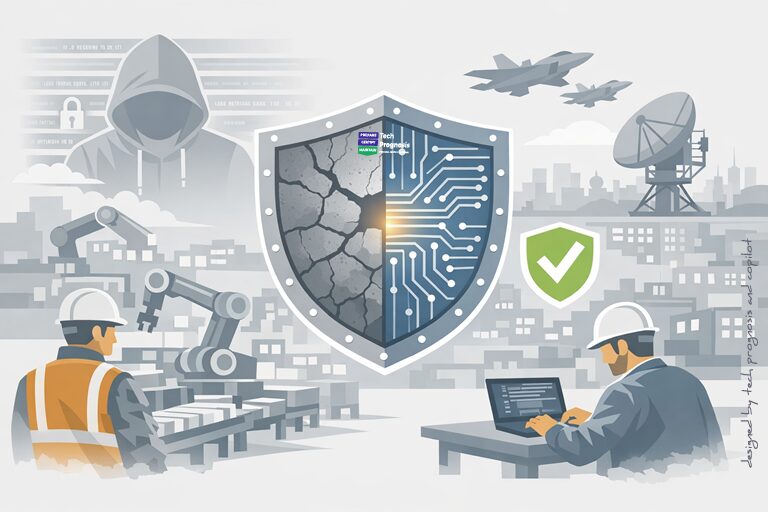
A flat, minimalist illustration showing a manufacturing environment with robotic arms, workers in safety vests, and a central shield symbol split between a cracked surface and a circuit‑board design, representing cyber threats and resilience. Minimalist aircraft, a satellite dish, and a green security checkmark appear in the background.

Cyber Resilience for CMMC Contractors: Why It Matters and How to Build It

Cyber resilience is the capability to anticipate, withstand, recover from, and adapt to adverse cyber conditions—so that your mission‑essential manufacturing operations continue even when an attack succeeds. Resilience complements CMMC’s confidentiality‑focused controls (based on NIST SP 800‑171r3) by emphasizing continuity, restoration, and adaptation across IT and OT.

Audience: Defense Industrial Base (DIB) manufacturers and suppliers that handle FCI/CUI and are preparing for (or maintaining) CMMC compliance.


Why Cyber Resilience Now (Especially in the DIB)

  • The DIB remains a prime target for espionage and ransomware, and the Department of Defense (DoD) created CMMC to raise the floor on contractor protections for FCI/CUI.
  • NIST’s Cybersecurity Framework (CSF) 2.0 underscores governance and recoverability as integral to enterprise risk management—useful language for your board, program managers, and auditors.
  • Ransomware and OT/ICS impacts propagate from IT to plant networks; resilient manufacturers isolate critical processes, segment IT/OT, and test offline backups to maintain production.

Bottom line: CMMC helps protect sensitive data; resilience keeps your line running and deliveries on time.

Read more

Share

Data Breaches of 2024: Lessons and Best Practices for Small Organizations

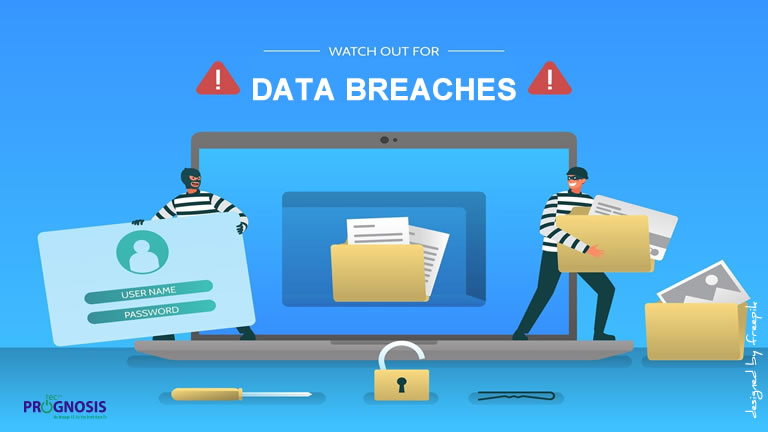
Cyber-attack concept, simulating data breaches, showing username and password theft, laptop with open document folder, credit card information theft and an open lock.

Major Data Breaches of 2024: Lessons and Best Practices for Small Organizations

In 2024, data breaches made major headlines, sparking concerns about data security across sectors. From healthcare to finance, we saw cybercriminals exploit vulnerabilities in systems worldwide, often impacting both large and small organizations. While big corporations might have the resources to recover swiftly, small and medium-sized businesses (SMBs) often face unique challenges, including limited budgets, expertise, and cybersecurity infrastructure.

This article will examine some of the major breaches of 2024, explore why SMBs are at heightened risk, and share best practices and tools that can help organizations protect themselves.

Read more

Share
Share
Share