Security Testing for Critical Systems: How Businesses in Round Rock Can Protect Sensitive Data

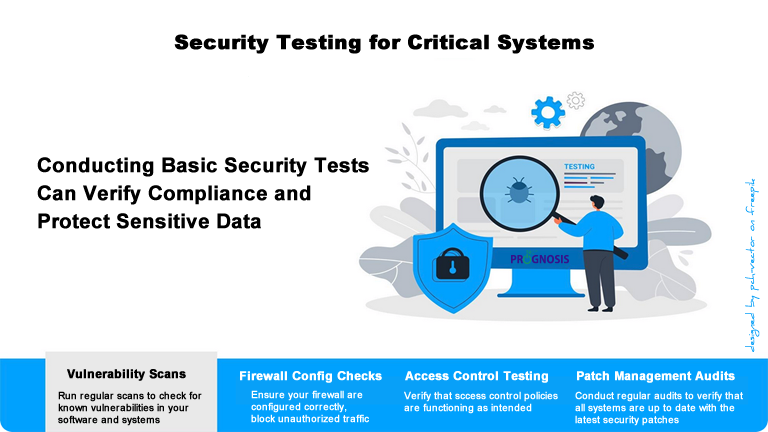
Simulation of security testing for critical systems showing a security shield, and a man in a blue shirt holding a magnifying glass over a software bug.

A Comprehensive Guide to Security Testing for Critical Systems: How Businesses in Round Rock Can Protect Sensitive Data

In today’s digital age, cybersecurity is not just a technical concern—it’s a critical aspect of protecting your business’s future. As businesses in Round Rock, Texas, and surrounding cities grow increasingly dependent on technology, securing sensitive data and critical systems has become more important than ever. Whether you’re in healthcare, finance, or retail, data protection should be a top priority.

This comprehensive guide will walk you through the essentials of security testing and security assessments, focusing on how businesses can safeguard their most critical systems, particularly those holding sensitive information.

From understanding the differences between security testing and security assessments, to how you can incorporate best practices into your own operations, this blog is a valuable resource for business owners, managers, and IT leaders looking to ensure that their cybersecurity measures are up to par.

Let’s dive into how effective security testing and risk assessments can make a difference in your organization’s security posture.

Read more

Share

Access Control and the NIST Cybersecurity Framework

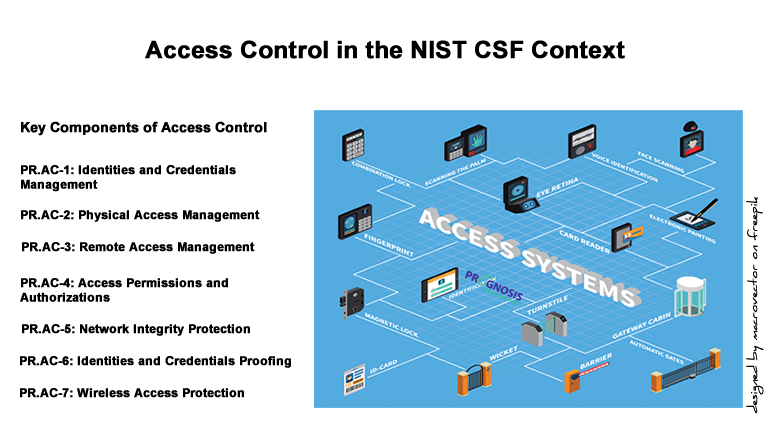
Access control systems isometric flowchart showing security systems using biometric verification, face and voice recognition, accessibility lock, security barriers etc.

Protecting Your Austin Business: A Deep Dive into Access Control and the NIST Cybersecurity Framework

If you’ve ever used a key card to enter your office building or typed a password into your laptop, you’ve experienced access control in action. But behind these everyday interactions lies a sophisticated security discipline that can make or break your organization’s cybersecurity posture—especially here in Austin, where our thriving tech scene and diverse business landscape make us an attractive target for cybercriminals.

As someone who’s spent years helping Texas businesses strengthen their security foundations, I’ve seen firsthand how proper access control can prevent devastating breaches, while poor implementation can lead to catastrophic consequences. Today, let’s explore access control through the lens of the NIST Cybersecurity Framework (CSF) and discuss how Austin organizations can protect their most valuable assets.

What is Access Control in the NIST CSF Context?

The National Institute of Standards and Technology (NIST) Cybersecurity Framework organizes cybersecurity activities into five core functions: Identify, Protect, Detect, Respond, and Recover. Access control falls squarely within the Protect Function, which focuses on developing and implementing appropriate safeguards to ensure delivery of critical services.

Specifically, access control is addressed in the Access Control (PR.AC) category of the Protect function. The NIST CSF defines this as managing access to assets and associated facilities to ensure that only authorized users, processes, or devices can access them—and only in a manner appropriate to their authorization level.

Think of access control as the digital and physical gatekeeper of your organization. It’s the system of policies, procedures, and technologies that determines who can enter your premises, what data they can view, which systems they can use, and what actions they can perform.

In Austin’s competitive business environment, where companies from healthcare startups to financial services firms handle sensitive information daily, robust access control isn’t just good practice—it’s essential for survival.

Read more

Share

Cloud Security Threats and Mitigation: A Guide for Financial Services in Austin, Texas

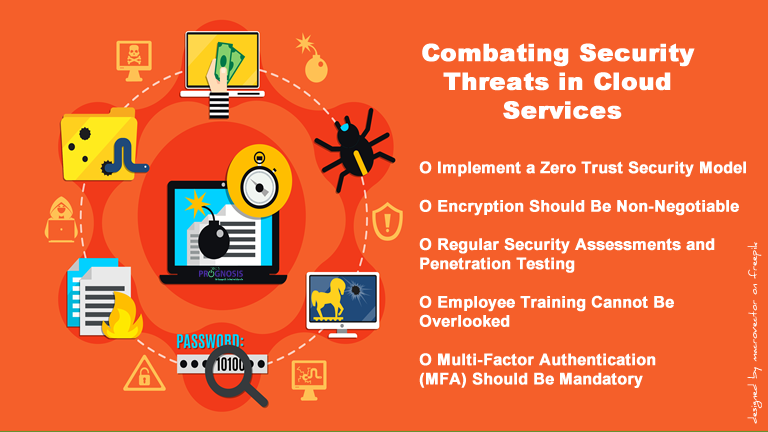
Cloud security threats that target financial services in Austin, Texas like spam threats, hackers, fraud, password thefts, and mitigation solutions like email security, firewalls, data security

Combating Cloud Security Threats in Cloud Computing: A Guide to Cloud Security for Austin’s Financial Services

As someone who’s spent over a decade helping financial institutions navigate the complex world of cybersecurity, I’ve watched Austin’s financial services sector transform dramatically. From the bustling tech corridors along MoPac to the financial districts downtown, our city’s banks, credit unions, and fintech startups are increasingly moving their operations to the cloud. But with this shift comes the critical questions I hear almost daily:  “How do we combat security threats in cloud computing”, and “How do we keep our customers’ financial data safe in the cloud?”

Let me share what I’ve learned about security threats in our industry, drawing from real experiences right here in Central Texas, particularly as artificial intelligence reshapes how we think about data protection and financial services.

Read more

Share

Continuity Planning: Unexpected Disasters Your IT Provider Should Be Planning For

Simulation of risk management consultants looking at a diagram illustration of a business continuity planning dashboard.

Continuity Planning: The Unexpected Disaster Your IT Provider Should Be Planning For

Power outages, cyberattacks, hardware failures and natural disasters rarely arrive with a warning, and when they hit, the impact on small businesses can be devastating. Many assume that having a backup is enough, but the truth is, restoring a file isn’t the same as staying operational. If you can’t access systems, support remote work or keep your team and clients in the loop, even a short disruption can turn into a long-term setback. A reliable IT partner should prepare you for these moments – not just with backups, but with a complete plan to keep your business running no matter what.

Read more

Share

Cloud Technology: Understanding the Invisible Backbone of Modern Life

Cloud technology isometric showing icons of a cloud, datacenters and a laptop, with text of best practices for managing cloud dependence responsibly.

Cloud Technology Is Like Air: Understanding the Invisible Backbone of Modern Life

Introduction: The Air We Breathe, the Cloud We Use

We rarely think about the air around us until something disrupts it — a smoky day, a strong gust, or a breathless moment. The same goes for cloud technology. It’s always there, powering everything from our mobile apps and streaming platforms to business-critical systems and secure backups. Yet, unless there’s a service outage or data breach, many people don’t give it a second thought.

But in today’s digital-first world, understanding cloud technology is as essential as understanding electricity or plumbing. This blog explores the analogy of cloud computing as air, revealing just how pervasive and vital the cloud has become in both personal and professional contexts.

Read more

Share

Fake Travel Confirmation Emails That Could Breach Your Law Firm

A lady in a red dress and travel suitcase is talking with an air travel booking agent with an airplane image in the background. There is a highlight of the damage a single successful phishing attack from fake travel confirmation emails can cause.

🎯Fake Travel Confirmation Emails: Legal Professionals in Austin, Don’t Let Fake Emails Breach Your Law Firm

Planning a summer getaway? Cybercriminals are planning their next move, too—and your law firm may be the target.

As a cybersecurity professional, I see it all the time. Fake travel confirmation emails land in someone’s inbox, dressed up to look like they are from Delta, Marriott, or Expedia. The logo checks out. The formatting is perfect. The subject line sounds urgent. And then—click. Just like that, login credentials or credit card data are in the hands of cybercriminals.

In fact, 83% of organizations experienced a phishing attack in 2023, according to Proofpoint’s State of the Phish Report. And summer travel season is a gold mine for scammers.

Read more

Share
Share
Share