
HIPAA And HITECH: Navigating Healthcare Data Protection

Isometric image of a doctor online interacting with a patient through a smartphone, a prescription form and the text “HIPAA and HITECH”.

Understanding the Difference Between HIPAA and HITECH: A Comprehensive Guide

HIPAA and HITECH are cornerstone regulations in the realm of healthcare information protection. While HIPAA establishes foundational privacy and security standards, HITECH enhances these protections and promotes the widespread adoption of health information technology. Together, they create a robust framework that safeguards patient information in an increasingly digital world.

By understanding the differences between HIPAA and HITECH, healthcare providers, organizations, and patients can better navigate the complexities of health information privacy and security. This knowledge is crucial in ensuring compliance, protecting sensitive information, and ultimately enhancing the quality of healthcare delivery.

In today’s rapidly evolving digital landscape, safeguarding personal health information (PHI) is more critical than ever. The Health Insurance Portability and Accountability Act (HIPAA) and the Health Information Technology for Economic and Clinical Health Act (HITECH) play pivotal roles in this mission. While they both aim to protect patient information, they serve different functions and complement each other in significant ways.

This blog post delves into the differences between HIPAA and HITECH, providing real-world examples to clarify their applications.

What is HIPAA?

Enacted in 1996, HIPAA is a federal law designed to ensure that individuals’ health information is protected while allowing the flow of health information needed to provide high-quality health care. HIPAA has several critical components, but it is best known for its Privacy Rule and Security Rule.

Read more

Share

HIPAA Compliance with Online Data Storage

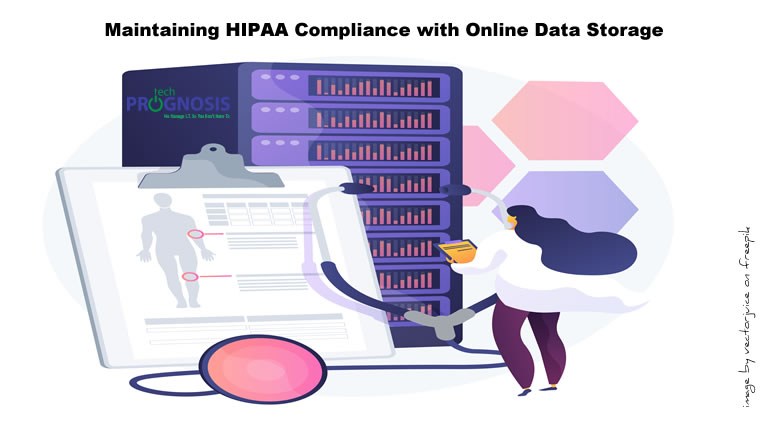
Image concept of HIPAA compliance challenges presented by cloud storage solutions with abstract illustration of predictive analytics, electronic health records etc.

Maintaining HIPAA Compliance with Online Data Storage

Healthcare organizations today face the dual challenge of leveraging online data storage solutions while ensuring compliance with the Health Insurance Portability and Accountability Act (HIPAA). This article explores the importance of maintaining HIPAA compliance with online data storage, highlights common challenges, offers best practices, and recommends popular tools to help your organization navigate this complex landscape.

What is HIPAA?

The Health Insurance Portability and Accountability Act (HIPAA) is a United States law enacted in 1996 to protect patients’ sensitive health information from being disclosed without their consent or knowledge. HIPAA sets national standards for electronic health care transactions and national identifiers for providers, health insurance plans, and employers.

Read more

Share

Protecting Patient Data: A Comprehensive Guide to Mitigating Healthcare Security Risks

Image of healthcare showing abstract concept illustration of protecting patient data with a practitioner-pharmacists using secure access to medical records.

In a rapidly evolving healthcare landscape, the digital transformation of patient data and record systems has become essential for improving patient care and operational efficiency. However, with these technological advancements come a range of security risks that must be diligently addressed.

In this blog article, we will explore the potential threats and risks associated with healthcare patient data security and propose mitigation strategies. We will also consider these in the context of the Health Insurance Portability and Accountability Act (HIPAA), which sets stringent standards for safeguarding patient information.

Read more

Share
Share
Share