
Windows 10 End of Support: What Happens To Healthcare Applications

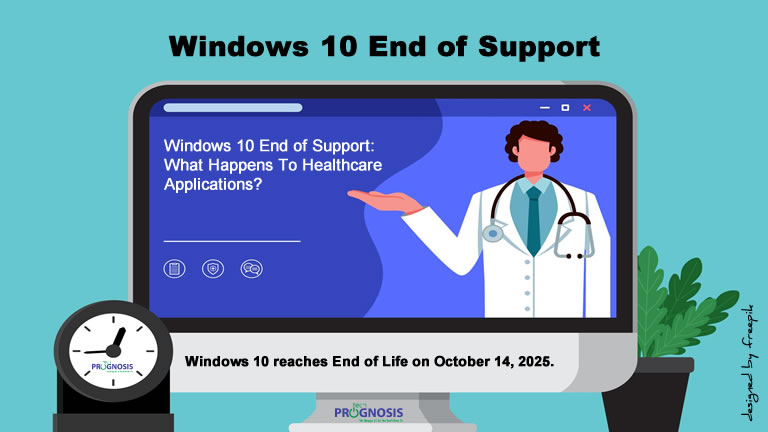
A computer desktop monitor showing an image of a doctor with a stethoscope around his neck gesturing toward a text on the screen asking the question: "Windows 10 End of Support: What Happens to Healthcare Applications”

What Happens to Healthcare Applications After Windows 10 End of Support?

A Cybersecurity Expert’s Guide for Clinics, Practices, and Health Systems

📅 October 14, 2025 is more than just a date on the calendar. It’s when Windows 10 reaches end of life, and with that, your healthcare IT environment could be at serious risk.

Whether you’re a small practice using EHR software on a few desktops or a larger provider with integrated patient care systems, the end of Windows 10 support could expose your patients’ data, impact compliance with HIPAA, and disrupt care delivery.

If you’re still using Windows 10 after the cutoff date, it’s not just your operating system that will be at risk – your critical healthcare applications could be affected too. Let’s break down what you need to know.

Read more

Share

HIPAA Compliance with Online Data Storage

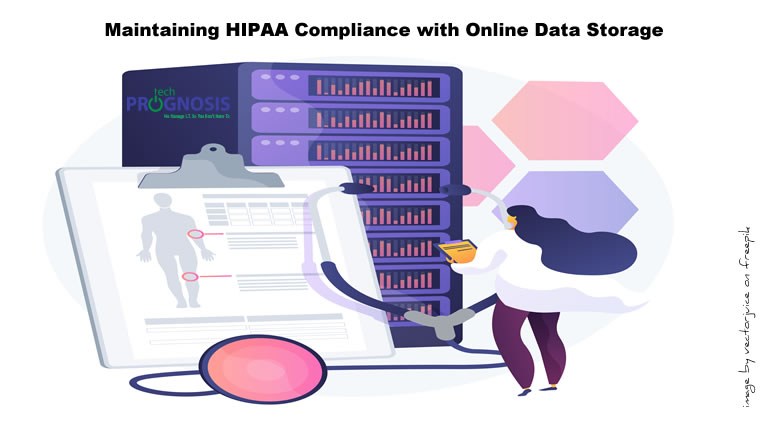
Image concept of HIPAA compliance challenges presented by cloud storage solutions with abstract illustration of predictive analytics, electronic health records etc.

Maintaining HIPAA Compliance with Online Data Storage

Healthcare organizations today face the dual challenge of leveraging online data storage solutions while ensuring compliance with the Health Insurance Portability and Accountability Act (HIPAA). This article explores the importance of maintaining HIPAA compliance with online data storage, highlights common challenges, offers best practices, and recommends popular tools to help your organization navigate this complex landscape.

What is HIPAA?

The Health Insurance Portability and Accountability Act (HIPAA) is a United States law enacted in 1996 to protect patients’ sensitive health information from being disclosed without their consent or knowledge. HIPAA sets national standards for electronic health care transactions and national identifiers for providers, health insurance plans, and employers.

Read more

Share
Share
Share