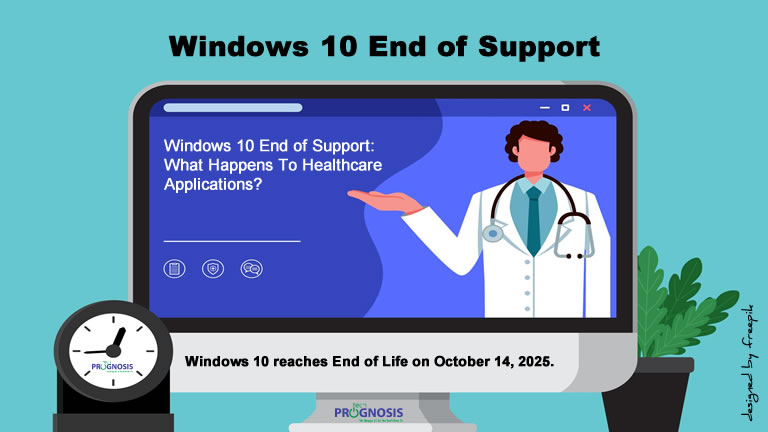
What Happens to Healthcare Applications After Windows 10 End of Support?
A Cybersecurity Expert’s Guide for Clinics, Practices, and Health Systems
📅 October 14, 2025 is more than just a date on the calendar. It’s when Windows 10 reaches end of life, and with that, your healthcare IT environment could be at serious risk.
Whether you’re a small practice using EHR software on a few desktops or a larger provider with integrated patient care systems, the end of Windows 10 support could expose your patients’ data, impact compliance with HIPAA, and disrupt care delivery.
If you’re still using Windows 10 after the cutoff date, it’s not just your operating system that will be at risk – your critical healthcare applications could be affected too. Let’s break down what you need to know.
Understanding the Difference Between HIPAA and HITECH: A Comprehensive Guide
HIPAA and HITECH are cornerstone regulations in the realm of healthcare information protection. While HIPAA establishes foundational privacy and security standards, HITECH enhances these protections and promotes the widespread adoption of health information technology. Together, they create a robust framework that safeguards patient information in an increasingly digital world.
By understanding the differences between HIPAA and HITECH, healthcare providers, organizations, and patients can better navigate the complexities of health information privacy and security. This knowledge is crucial in ensuring compliance, protecting sensitive information, and ultimately enhancing the quality of healthcare delivery.
In today’s rapidly evolving digital landscape, safeguarding personal health information (PHI) is more critical than ever. The Health Insurance Portability and Accountability Act (HIPAA) and the Health Information Technology for Economic and Clinical Health Act (HITECH) play pivotal roles in this mission. While they both aim to protect patient information, they serve different functions and complement each other in significant ways.
This blog post delves into the differences between HIPAA and HITECH, providing real-world examples to clarify their applications.
What is HIPAA?
Enacted in 1996, HIPAA is a federal law designed to ensure that individuals’ health information is protected while allowing the flow of health information needed to provide high-quality health care. HIPAA has several critical components, but it is best known for its Privacy Rule and Security Rule.