Aligning GRC Excellence: CIS Controls Risk Assessment Method and COBIT 2019 Framework

Image of people simulating a risk assessment business meeting, and analysis for management.

Introduction

The digital landscape today is fast-paced and interconnected, and has presented organizations with an ever-growing array of cybersecurity threats and compliance challenges. To navigate this complex terrain effectively, they often turn to comprehensive frameworks that provide guidance for Governance, Risk Management, and Compliance (GRC). Two of the most prominent frameworks in this realm are the CIS Controls Risk Assessment Method and the COBIT 2019 Framework.

In this article, we will explore the key components of the CIS Controls Risk Assessment Method and lay out a compelling argument for how it aligns with and complements the COBIT 2019 Framework, creating a powerful synergy for organizations seeking GRC excellence.

Read more

Share

Navigating Regulatory Compliance: Why It Matters and How to Succeed

Image showing compliance concept of business policy documents, legal scale, gavel, seal and pencil.

Introduction

In today’s complex business landscape, regulatory compliance is a critical aspect of operations across various industries. Whether you’re a small startup or a multinational corporation, understanding and adhering to the rules and regulations that govern your sector is essential. In this article, we will explore what regulatory compliance is, the consequences of non-compliance, the benefits of compliance, and best practices to ensure your organization stays on the right side of the law.

What Is Regulatory Compliance?

Regulatory compliance refers to the process by which organizations adhere to laws, rules, and regulations relevant to their industry. These regulations can be imposed by government bodies, industry associations, or international organizations, depending on the nature of the business. Compliance extends to a wide range of areas, including data security, environmental standards, financial reporting, and more.

Read more

Share

How Shadow IT Silently Leaks Company Data Online: Examples and Solutions

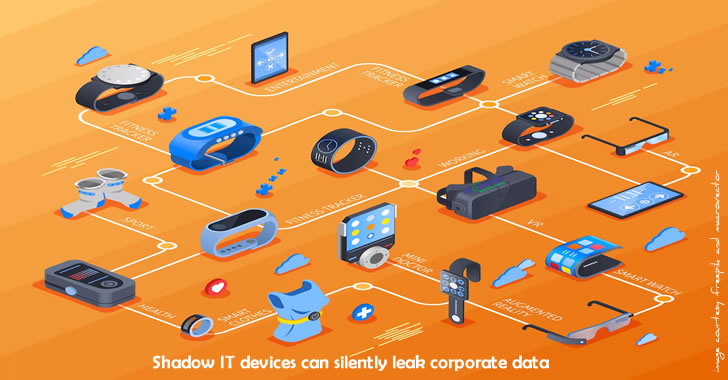
Image showing icons and names of modern mobile and wearable devices, often referred to as "Shadow IT", like fitness trackers, smart watches, health monitors, etc.

Introduction

The fast-paced nature of today’s digital world has made the use of technology in the workplace essential for productivity, and efficiency. However, with the advent of Shadow IT, companies are facing a growing threat – the silent leakage of sensitive company data online.

Shadow IT refers to the use of unauthorized or unapproved software, applications, or devices within an organization. While it may seem harmless at first, this practice can have serious consequences, as it can inadvertently expose confidential information to the world.

In this article, we will explore how Shadow IT can silently leak company data online, and provide real-life examples to illustrate the risks involved.

Read more

Share

Working From Home: Protect All Remote Employees from Hackers

Woman working from home looking at a laptop on a desk.

Working from home refers to an office at home. In most cases, the term refers to the workplace of an employee who previously worked, or is currently working part-time in a traditional office.

The last few years have seen countless companies going to a hybrid work model – working from home and going to the office. According to a survey by Envoy over 77% of businesses have some full or part-time remote employees.

While this change comes with many benefits, as a business owner, there are three big things you need to make sure your employees who are working from home are doing to keep your company’s data secure, avoid online scams and prevent being a victim of a cyber attack.

If you have employees working from home, here are three things all remote employees must do now to prevent your company from being hacked.

Read more

Share

Web Browser Security: Evaluating Browser Settings to Stay Safe Online

Image of a man and woman with a shield showing an SSL padlock

Web browser security settings. Many of us virtually live online, but how often do we even take a minute to evaluate web browser security settings before jumping online?

The web browser, whether it is Microsoft Edge, Mozilla Firefox, Google Chrome, Brave, Opera etc. has become a major fixture in our business and personal lives. We interact with the world using one of these tools every day.

Given how important the web browser is in our every day business or personal transactions, it makes sense to ensure that the browser you use is a safe as possible.

We will discuss some of the web browser security settings options available below, depending on your web browser of choice.

Note: We should point out however,  that increasing the security of a particular web browser may affect the functionality of some web sites. For example, disabling JavaScript may prevent some websites from working properly.

Read more

Share

Business Tech Problems: Options for Austin, Texas Area Printers

Image of workers and equipment in a commercial printing house.

With the ever increasingly rapid advance in information technology, many small businesses in the Austin, Texas area, especially commercial printing companies, face overwhelming business tech problems.

Now more than ever, we depend on technology to run our business (and our lives). When the “Internet goes down,” most businesses are at a standstill until they are back online, costing thousands of dollars in lost productivity and sales.

It’s not just the BIG business tech problems, but things like file access, password protection, being able to print and recovering files or versions of files that were accidentally overwritten or deleted. All of these business tech problems are common needs in today’s technology-heavy enterprises.

Read more

Share
Share
Share