Regulatory Frameworks: A Guide for Non-Technical Readers

Image of legal advice isometric showing books, a legal shield, a gavel, "legal" stamp, hourglass, justice scale, document, as a reference to regulatory frameworks and compliance.

Navigating Regulatory Frameworks: Ensuring Compliance Across Sectors

Understanding regulatory frameworks is crucial for any business. Whether you’re in healthcare, finance, technology, or any other sector, knowing the rules that govern your industry can make the difference between success and costly penalties.

In today’s complex world, businesses operate within a labyrinth of rules and regulations designed to protect consumers, employees, and the environment. Whether you run a small business or a large corporation, understanding and adhering to these regulatory frameworks is essential.

In this blog post, we’ll break down what regulatory frameworks are, provide examples from specific sectors, discuss common challenges organizations face, and offer some best practices to ensure compliance. This guide is designed to be easy to read and understand, even if you’re not a legal or regulatory expert.

Read more

Share

Understanding GDPR: A Comprehensive Guide with Sector-Specific Examples

Image of laptop computer with a padlock and stars concept of GDPR, along with text outlining the key principles of GDPR.

GDPR: A Comprehensive Guide with Sector-Specific Examples

Introduction

The General Data Protection Regulation (GDPR) is a critical piece of legislation that reshaped the landscape of data privacy and security for organizations operating within the European Union (EU) and those dealing with EU citizens’ data. Since its implementation on May 25, 2018, GDPR has set a high standard for data protection, influencing laws worldwide.

In this article, we’ll explore the essentials of GDPR, examine specific examples from various sectors, discuss common challenges organizations face, and provide best practices for compliance. Whether you’re a business owner, a data privacy enthusiast, or simply curious about GDPR, this guide will offer valuable insights.

What is GDPR?

GDPR is a regulation in EU law on data protection and privacy for all individuals within the EU and the European Economic Area (EEA). It also addresses the export of personal data outside the EU and EEA areas. The primary aim of GDPR is to give control to individuals over their personal data and simplify the regulatory environment for international business by unifying the regulation within the EU.

Read more

Share

HIPAA Compliance with Online Data Storage

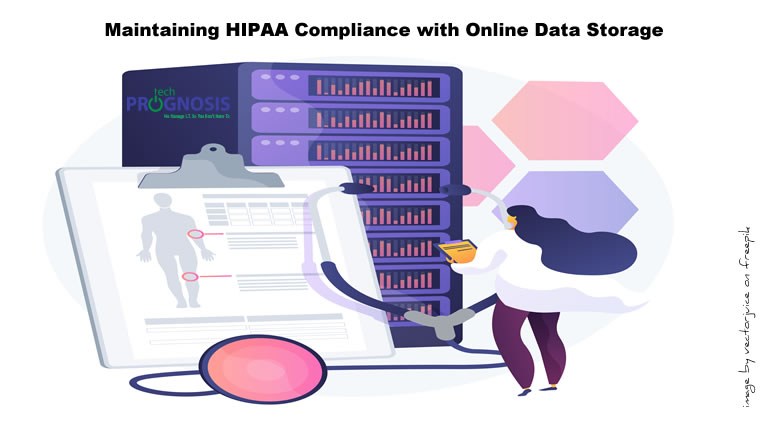
Image concept of HIPAA compliance challenges presented by cloud storage solutions with abstract illustration of predictive analytics, electronic health records etc.

Maintaining HIPAA Compliance with Online Data Storage

Healthcare organizations today face the dual challenge of leveraging online data storage solutions while ensuring compliance with the Health Insurance Portability and Accountability Act (HIPAA). This article explores the importance of maintaining HIPAA compliance with online data storage, highlights common challenges, offers best practices, and recommends popular tools to help your organization navigate this complex landscape.

What is HIPAA?

The Health Insurance Portability and Accountability Act (HIPAA) is a United States law enacted in 1996 to protect patients’ sensitive health information from being disclosed without their consent or knowledge. HIPAA sets national standards for electronic health care transactions and national identifiers for providers, health insurance plans, and employers.

Read more

Share
Share
Share