
PCI Compliance Questionnaires: A Deep Dive

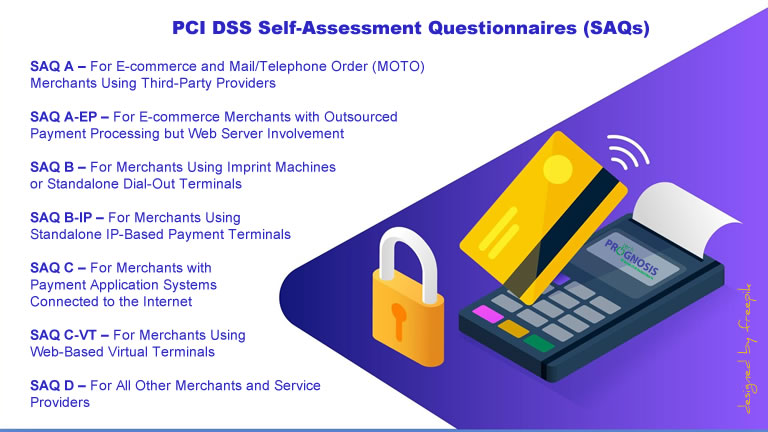
Credit card security isometric illustration showing a padlock, a credit card and a Point-of-Sale card reader, with text of types of PCI compliance questionnaires

A Deep Dive into PCI Compliance Questionnaires: Understanding the Differences and Overcoming Challenges

Payment security is critical in today’s digital economy, and the Payment Card Industry Data Security Standard (PCI DSS) plays a vital role in protecting payment card data from breaches and fraud. However, achieving PCI compliance can feel overwhelming, especially when organizations must determine the correct Self-Assessment Questionnaire (SAQ) or PCI compliance questionnaires to complete.

This article will provide a detailed breakdown of the different PCI DSS SAQs, the challenges businesses face in completing them, and best practices to streamline compliance. We’ll also explore risk appetite statements, clarify the roles of Qualified Security Assessors (QSAs) and Approved Scanning Vendors (ASVs), and conclude with a call to action for expert PCI compliance guidance.

Read more

Share

PCI DSS 4.0: Strategies for Addressing Requirements


Security icons set showing strategies for addressing PCI DSS 4.0 requirements like Internet security, online payments protection, bank account protection, and data encryption.

A Comprehensive Guide to Addressing PCI DSS 4.0 Requirements: Strategies and Best Practices for Small and Medium-Sized Businesses

As digital transactions continue to rise, ensuring the security of cardholder data has never been more critical. For businesses handling payment card information, compliance with the Payment Card Industry Data Security Standard (PCI DSS) is not just a legal necessity but a key component of maintaining customer trust and operational integrity. The latest version, PCI DSS 4.0, introduces new requirements and enhancements designed to bolster payment security.

This guide explores practical strategies and best practices for small and medium-sized businesses (SMBs) to navigate these requirements effectively.

Read more

Share

PCI DSS: Why Compliance is Critical for Payment Card Security

Image of a pci dss secure payment concept showing a credit card, a Point-Of-Sale (POS) device, and receipt

Introduction

In today’s digital age, data is a valuable asset, and its security should be a top priority for any organization, especially when it comes to sensitive financial information. Payment Card Industry Data Security Standard (PCI DSS) is a set of security standards designed to protect this very data, but why is it so crucial? In this article, we will explore the importance of complying with the payment card standard, and provide real-life examples of the consequences that can result from non-compliance.

What is PCI DSS?

PCI DSS stands for Payment Card Industry Data Security Standard. It is a comprehensive set of security standards developed by major credit card companies like Visa, MasterCard, and American Express to ensure the protection of sensitive payment card data. The payment card protection framework outlines specific security requirements that organizations that handle cardholder data must adhere to. Compliance with these standards is not just a best practice; in many cases, it is a legal requirement.

Read more

Share
Share
Share