Compliance and Risk Management: Navigating the Waters of Cyber Hygiene

Image of compliance and risk management simulation composition with icons of contracts, credit card-magnifying glass and people working.

Introduction

Compliance and risk management are two indispensable tools that can help businesses and organizations bolster their cybersecurity posture. With the constant threat of cyberattacks, data breaches, and regulatory fines, the battle to protect sensitive information and maintain the trust of clients and stakeholders is of paramount importance.

Cybersecurity is the front line defense in this battle, and it’s underpinned by two critical pillars: compliance and risk management.

In this article, we will explore the significance of compliance and risk management in an organization and provide clear steps on how to leverage both to fortify your cybersecurity defenses.

Whether you’re a small startup or a multinational corporation, this guide will help you navigate the complex world of cybersecurity with ease.

Read more

Share

OCTAVE Methodology for Information and Technology Governance

Image concept icons of a datacenter environment showing a folder secured with a fingerprint, a laptop with "Data Verification" written on it, and a person sitting a cubicle with a golden key on the floor.

Introduction

In today’s digital age, information and technology governance are crucial for the success and security of any business, regardless of its size. Small businesses, in particular, often face unique challenges when it comes to managing their IT resources and safeguarding their sensitive data. One effective approach to address these challenges is the OCTAVE (Operationally Critical Threat, Asset, and Vulnerability Evaluation) methodology. In this article, we will explore how small businesses can leverage the OCTAVE methodology to enhance their information and technology governance.

What is OCTAVE?

The OCTAVE methodology is a comprehensive framework developed by the Software Engineering Institute (SEI) at Carnegie Mellon University. It is designed to help organizations identify and manage information security risks effectively. OCTAVE takes a systematic and risk-based approach, focusing on both technical and non-technical aspects of information and technology governance.

Read more

Share

The MGM Cyber Attack: A Masterclass in Risk Management

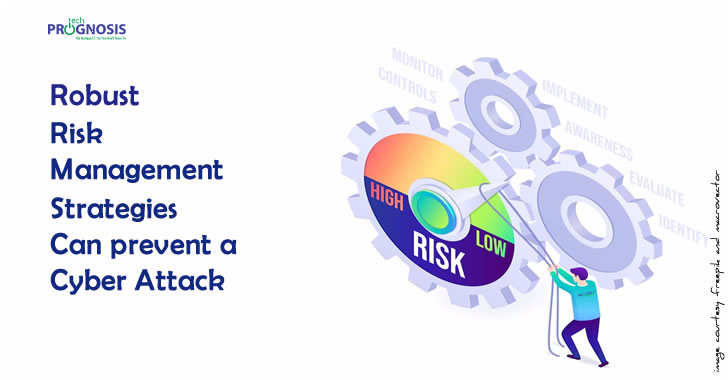
Image of a man pulling on a gear device marked high and low risk, and the words “Robust risk management strategies can prevent a cyber attack” in the background.

The MGM Cyber Attack and Lessons in Risk Management

In the ever-evolving landscape of the digital world, cybersecurity has taken center stage. The MGM cyber attack serves as a stark reminder of the constant threat lurking in the shadows of the web. This unfortunate incident, though disconcerting, offers us a valuable lesson in risk management.

It is crucial to learn from these events and take proactive steps to safeguard our digital assets. In this article, we will explore the MGM cyber attack, the lessons it imparts on risk management, and provide practical mitigation steps and solution examples to help organizations

Understanding the MGM Cyber Attack

Before delving into risk management solutions, let’s take a moment to understand what happened during the MGM cyber attack. In September 2023, MGM Resorts suffered a data breach, leading to the exposure of personal information belonging to customers who transacted with MGM Resorts prior to March 2019. This included names, contact information, gender, dates of birth and driver license number. For a limited number of customers, the hackers also accessed Social Security numbers and passport details. According to Bloomberg, the breach stemmed from a social engineering breach of the company’s information technology help desk. MGM’s experience highlights the importance of robust cybersecurity practices.

Read more

Share

OCTAVE Allegro: A Comprehensive Guide to Cybersecurity Risk Assessment

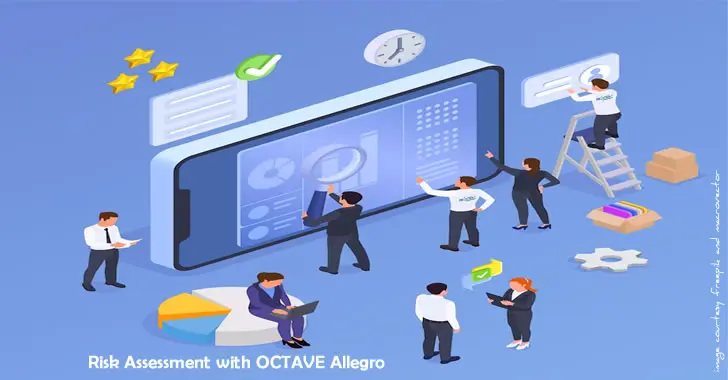
Image of people working in a simulated OCTAVE Allegro risk assessment environment showing a man in a dark suit holding a magnifying glass, and a woman working on a laptop.

Introduction

The Operationally Critical Threat, Asset, and Vulnerability Evaluation (OCTAVE) Allegro methodology is an effective approach to address the challenges organizations face in today’s fast-paced business landscape. Businesses increasingly face a multitude of risks that can disrupt operations, damage reputation, and lead to significant financial losses. If you add to that the ever-increasing number of cyber threats, organizations must be proactive in identifying and mitigating potential risks.

OCTAVE Allegro offers a robust and adaptable approach for organizations to assess and mitigate cybersecurity risks.

In this article, we will delve into the origins, methodologies, and components of OCTAVE Allegro, and discuss why organizations should consider adopting it for their cybersecurity risk assessment needs. We will also provide clear implementation steps to make the process understandable and achievable for organizations of all sizes.

Section 1: The Origin of OCTAVE Allegro

OCTAVE Allegro is an evolution of the original OCTAVE methodology, which was developed at the Software Engineering Institute (SEI) at Carnegie Mellon University. The SEI introduced OCTAVE in the late 1990s as a comprehensive approach to managing information security risks.

Read more

Share

NIST Cybersecurity Framework (CSF) is a Crucial Tool for Cybersecurity

Image showing business data analytics, platform charts and diagram with text of the five functions of the NIST Cybersecurity Framework: Identify, Protect, Detect, Respond and Recover.

Understanding the NIST Cybersecurity Framework (CSF)

The NIST Cybersecurity Framework (CSF) is a crucial tool in today’s cybersecurity environment, providing organizations with a structured and flexible approach to managing and improving their cybersecurity efforts. It was developed by the National Institute of Standards and Technology (NIST) in response to the increasing cyber threats that organizations face, and to help them navigate these challenges.

In this article, we will discuss why the NIST CSF matters, delve into its implementation tiers, and provide guidance on how organizations can use this framework to protect their infrastructure.

Read more

Share

Compliance and Risk Management in an Organization

Illustration of the different facets of compliance management showing a woman in business attire holding a clipboard with a check mark, a man in a business suit holding a briefcase etc.

In a typical organization facing the increasing trend of new regulations and standards, as well as revisions and updates of cybersecurity frameworks, it may bode well to start asking some very pointed questions like how does compliance help to manage risk in our business environment, and what key questions should we be asking about how to assess the risks that exist?

Compliance plays a crucial role in managing risk in a small business environment. It helps ensure that a business adheres to relevant laws, regulations, industry standards, and internal policies. By doing so, compliance can mitigate various risks and protect the business from legal, financial, reputational, and operational harm.

Read more

Share
Share
Share