
Compliance and Risk Management in an Organization

Illustration of the different facets of compliance management showing a woman in business attire holding a clipboard with a check mark, a man in a business suit holding a briefcase etc.

In a typical organization facing the increasing trend of new regulations and standards, as well as revisions and updates of cybersecurity frameworks, it may bode well to start asking some very pointed questions like how does compliance help to manage risk in our business environment, and what key questions should we be asking about how to assess the risks that exist?

Compliance plays a crucial role in managing risk in a small business environment. It helps ensure that a business adheres to relevant laws, regulations, industry standards, and internal policies. By doing so, compliance can mitigate various risks and protect the business from legal, financial, reputational, and operational harm.

Read more

Share

PCI DSS: Why Compliance is Critical for Payment Card Security

Image of a pci dss secure payment concept showing a credit card, a Point-Of-Sale (POS) device, and receipt

Introduction

In today’s digital age, data is a valuable asset, and its security should be a top priority for any organization, especially when it comes to sensitive financial information. Payment Card Industry Data Security Standard (PCI DSS) is a set of security standards designed to protect this very data, but why is it so crucial? In this article, we will explore the importance of complying with the payment card standard, and provide real-life examples of the consequences that can result from non-compliance.

What is PCI DSS?

PCI DSS stands for Payment Card Industry Data Security Standard. It is a comprehensive set of security standards developed by major credit card companies like Visa, MasterCard, and American Express to ensure the protection of sensitive payment card data. The payment card protection framework outlines specific security requirements that organizations that handle cardholder data must adhere to. Compliance with these standards is not just a best practice; in many cases, it is a legal requirement.

Read more

Share

How the FTC Safeguards Rule Protects Customer Information

Image of financial regulation concept set with suspicious activity audit symbols.

Understanding the FTC Safeguards Rule: Protecting Customer Information

In our current business environment where information is power, the security of customer data has become paramount. The Federal Trade Commission (FTC) Safeguards Rule stands as a critical safeguard for the protection of customer information.

In this article, we’ll delve into what the FTC Safeguards Rule is, its significance, and how it plays a pivotal role in securing customer data.

What is the FTC Safeguards Rule?

The FTC Safeguards Rule is part of the Gramm-Leach-Bliley Act (GLBA) and is designed to protect the security and confidentiality of customer information held by financial institutions.These institutions include not only banks and credit unions but also entities like mortgage brokers, payday lenders, and tax return preparers.

Read more

Share

Achieving Comprehensive GRC with the OCTAVE Methodology


Image of a cyber-security flowchart with hacking activity data-protection icons.

The OCTAVE methodology is a risk management threat model that can be used to implement GRC (governance, risk, and compliance) in an organization. It is a flexible and adaptable methodology that can be tailored to the specific needs of any organization.

The business landscape today is rapidly changing, and cybersecurity threats are becoming increasingly complex. Ensuring that an organization operates efficiently while managing risks and complying with regulations is essential for success.

This is where Governance, Risk, and Compliance (GRC) comes into play.

GRC is a holistic approach that enables organizations to navigate the complex web of regulations, risks, and internal policies effectively.

One highly regarded method for implementing GRC is the OCTAVE (Operationally Critical Threat, Asset, and Vulnerability Evaluation) methodology.

In this article, we’ll explore how organizations can use the OCTAVE methodology to build a robust GRC framework.

Read more

Share

Navigating Regulatory Compliance: Why It Matters and How to Succeed

Image showing compliance concept of business policy documents, legal scale, gavel, seal and pencil.

Introduction

In today’s complex business landscape, regulatory compliance is a critical aspect of operations across various industries. Whether you’re a small startup or a multinational corporation, understanding and adhering to the rules and regulations that govern your sector is essential. In this article, we will explore what regulatory compliance is, the consequences of non-compliance, the benefits of compliance, and best practices to ensure your organization stays on the right side of the law.

What Is Regulatory Compliance?

Regulatory compliance refers to the process by which organizations adhere to laws, rules, and regulations relevant to their industry. These regulations can be imposed by government bodies, industry associations, or international organizations, depending on the nature of the business. Compliance extends to a wide range of areas, including data security, environmental standards, financial reporting, and more.

Read more

Share

How Shadow IT Silently Leaks Company Data Online: Examples and Solutions

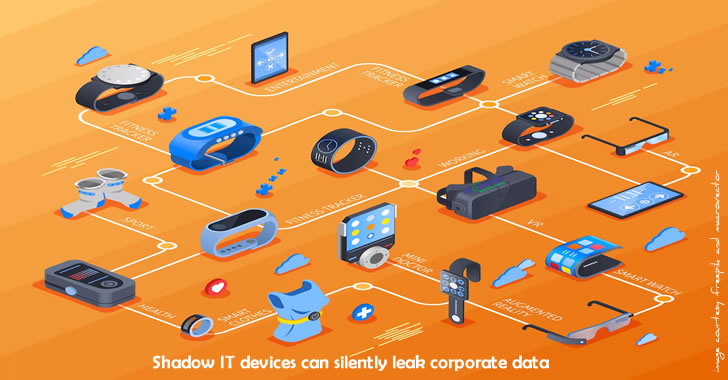
Image showing icons and names of modern mobile and wearable devices, often referred to as "Shadow IT", like fitness trackers, smart watches, health monitors, etc.

Introduction

The fast-paced nature of today’s digital world has made the use of technology in the workplace essential for productivity, and efficiency. However, with the advent of Shadow IT, companies are facing a growing threat – the silent leakage of sensitive company data online.

Shadow IT refers to the use of unauthorized or unapproved software, applications, or devices within an organization. While it may seem harmless at first, this practice can have serious consequences, as it can inadvertently expose confidential information to the world.

In this article, we will explore how Shadow IT can silently leak company data online, and provide real-life examples to illustrate the risks involved.

Read more

Share
Share
Share