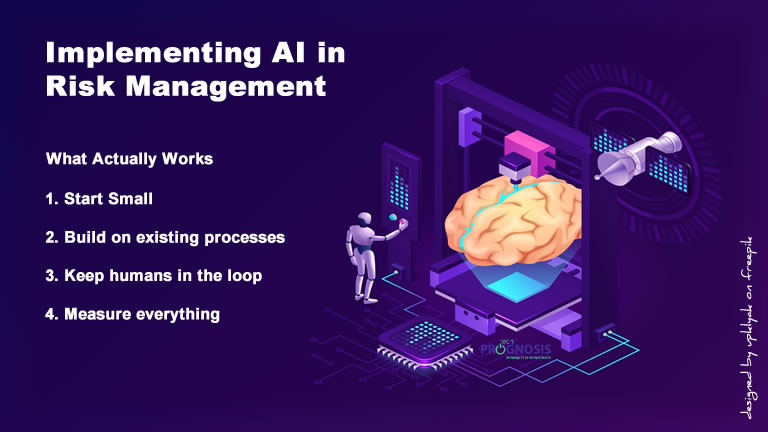
Implementing AI in Financial Risk Management: A Practical Guide for Mid-Size Banks
In my 15 years of working with financial institutions on governance and risk initiatives, I’ve never seen as much excitement – and anxiety – as I do now around AI implementation. Let’s cut through the hype and talk about what really works.
In today’s fast-paced digital landscape, effective Information Technology (IT) audit planning is more than a checkbox exercise—it’s a strategic imperative. Whether you’re a small nonprofit, a growing manufacturing firm, or a large healthcare organization, a well-structured IT audit plan helps ensure your systems are secure, compliant, and aligned with business objectives. In this article, we’ll walk through the IT audit planning process from a Governance, Risk, and Compliance (GRC) expert’s perspective, spotlighting how it differs from risk assessment, exploring various audit types, tackling common challenges, and sharing best practices. We’ll also include a concrete, sector-specific example with timelines, and recommend popular tools to streamline your efforts.
The Importance of Risk Registers in Effective Risk Management
In today’s dynamic business landscape, organizations of all sizes and sectors face various risks that could potentially derail their operations. From financial uncertainties and regulatory compliance challenges to cybersecurity threats and operational disruptions, managing these risks is critical for survival and growth. One of the most effective tools in the arsenal of risk management are risk registers. As organizations strive to navigate uncertainties, well-maintained risk registers emerge as an indispensable tool in managing and mitigating risks.
This blog will delve into the concept of risk registers, explore their benefits, and provide practical examples across various sectors. We will also address common challenges organizations face and offer best practices for maximizing the effectiveness of risk registers. Additionally, we’ll recommend popular tools that can help streamline the risk management process.