
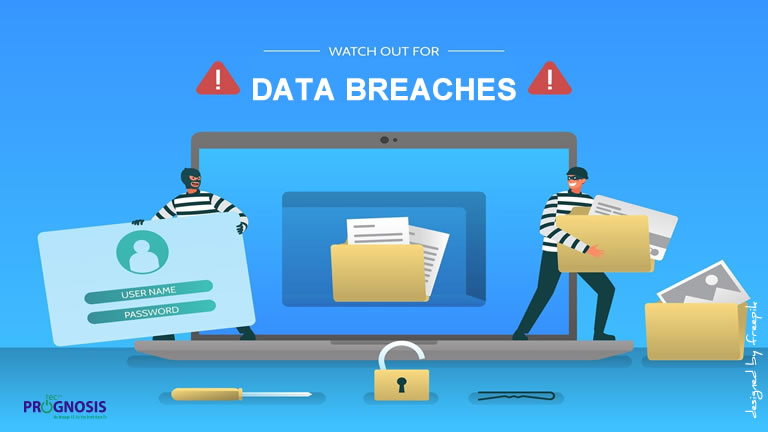
Data Breaches of 2024: Lessons and Best Practices for Small Organizations

Cyber-attack concept, simulating data breaches, showing username and password theft, laptop with open document folder, credit card information theft and an open lock.

Major Data Breaches of 2024: Lessons and Best Practices for Small Organizations

In 2024, data breaches made major headlines, sparking concerns about data security across sectors. From healthcare to finance, we saw cybercriminals exploit vulnerabilities in systems worldwide, often impacting both large and small organizations. While big corporations might have the resources to recover swiftly, small and medium-sized businesses (SMBs) often face unique challenges, including limited budgets, expertise, and cybersecurity infrastructure.

This article will examine some of the major breaches of 2024, explore why SMBs are at heightened risk, and share best practices and tools that can help organizations protect themselves.

Read more

Share

eDiscovery in Cybersecurity: Challenges, Best Practices, and Tools

eDiscovery concept composition with magnifying glass, documents folder with media and email vector illustration.

eDiscovery is not just about finding and retrieving data; it’s about doing so in a way that is legally sound and ensures data integrity. In the context of cybersecurity, Electronic Discovery becomes even more critical due to the sensitive nature of the data involved and the potential impact of data breaches.

cybersecurity is a top priority for businesses across all sectors. With the growing volume of data, the need for effective and efficient electronic discovery (eDiscovery) processes has become crucial. eDiscovery is the process of identifying, collecting, and producing electronically stored information (ESI) in response to a request for production in a legal case or investigation.

This article aims to demystify Electronic Discovery in cybersecurity, outline common challenges, suggest best practices, and recommend some popular tools for managing eDiscovery.

Read more

Share

Risks and Privacy Management in Microsoft Office 365

Concept of digital security, privacy, listing several tools that can help manage risks and ensure privacy in Microsoft Office 365

Managing Risks and Privacy in Microsoft Office 365: A Comprehensive Guide for Every Sector

In today’s digital age, managing risks and protecting privacy in your organization’s digital workspace is more important than ever. Microsoft Office 365 (now known as Microsoft 365) is a powerful suite of tools that many businesses rely on for productivity and collaboration. However, with great power comes great responsibility—especially when it comes to security and privacy.

This guide will walk you through managing risks and privacy in Microsoft Office 365, with sector-specific examples, common challenges, and best practices.

Introduction

Microsoft Office 365 has become a cornerstone for many organizations, providing a suite of tools that enhance productivity and collaboration. However, with great power comes great responsibility. Managing risks and privacy in Office 365 is crucial to protect sensitive information and ensure compliance with industry standards. This article aims to demystify these challenges and offer actionable solutions.

Read more

Share

Privacy Risk Management in Cybersecurity: A Comprehensive Guide

Isometric illustration showing a 3d laptop, fingerprint, security shield, credit card, data privacy, 3d lock, and text of the key components of privacy risk management in cybersecurity.

Effective privacy risk management is crucial for protecting personal data and maintaining compliance with privacy laws. By conducting regular privacy assessments, implementing tracker scanning, managing user consent, and handling subject rights requests diligently, organizations can mitigate privacy risks and build trust with their users. Embracing best practices and leveraging privacy management tools further enhance these efforts.

This blog post delves into the key concepts of privacy risk management, including privacy assessments, tracker scanning, consent management, and subject rights requests. We’ll also explore common challenges organizations face, offer best practices, and recommend popular tools to help manage privacy risks effectively.

Introduction to Privacy Risk Management

In today’s fast-moving technology and increasingly digital landscape, the protection of personal data is not just a regulatory requirement but also a critical factor in maintaining customer trust. Privacy risk management involves identifying, assessing, and mitigating risks associated with the handling of personal information. It ensures that organizations comply with privacy laws and regulations while safeguarding individual privacy rights.

Read more

Share

ISMS – Information Security Management System: Securing Manufacturing in Austin

Information security management system or ISMS showing concept illustration of data security, personal data protection, cyber data security, Internet security or information privacy and protection.

Securing Manufacturing in Austin: The Role of an Information Security Management System (ISMS)

The manufacturing sector in the Austin, TX area is thriving, driven by cutting-edge innovation and a burgeoning tech ecosystem. However, as manufacturers embrace smart technologies and interconnected supply chains, they also face heightened cybersecurity risks, especially in today’s interconnected world, where data breaches and cyber threats dominate headlines and safeguarding sensitive information isn’t just a technical necessity; it is a business imperative. An Information Security Management System (ISMS) offers a comprehensive framework to protect sensitive information, ensure compliance, and build resilience against cyber threats.

This guide dives deep into the concept of an ISMS, and explores how manufacturers in the Austin, Texas area can implement an ISMS effectively, with a focus on industry-specific challenges, solutions, and tools.

Read more

Share

Third-Party Risk Management: Best Practices and Tools for Managing Vendor Risks

Icons of various partners/supply chain that need Third-party Risk Management showing shipping, transportation, airline, cloud computing, software and applications, data protection etc. with text of best practices.

The Essential Guide to Third-Party Risk Management: Best Practices and Tools for Managing Vendor Risks

Introduction: Understanding Third-Party Risk Management

With the growth of digital services, businesses increasingly rely on third-party vendors for everything from IT support to supply chain logistics. While third-party vendors help streamline processes and drive efficiencies, they also introduce additional risks. Managing these third-party risks is essential, especially as incidents like data breaches and operational disruptions are becoming more common in today’s interconnected environment.

Third-party risk management (TPRM) aims to evaluate and control the risks associated with partnering with external vendors, ensuring that these relationships align with your organization’s standards for security, compliance, and resilience. By understanding common challenges and adopting best practices, organizations can confidently manage third-party risks and safeguard their operations and customer data.

This article outlines key third-party risk management challenges, best practices, and popular tools to help you develop a solid TPRM framework tailored to your organization’s unique needs.

Read more

Share
Share
Share