Information Security Auditing: The Ultimate Guide for Businesses

Image of an isometric composition concept of information security auditing simulation showing icons of a magnifying glass, documents folder and people.

The Ultimate Guide to Information Security Auditing for Small and Medium-Sized Businesses

In today’s digital age, information security is a top priority for businesses of all sizes. However, small and medium-sized businesses (SMBs) often face unique challenges in safeguarding their data and systems due to limited resources. This is where information security auditing becomes essential. By understanding and implementing an effective information security audit, SMBs can identify vulnerabilities, comply with regulations, and protect their valuable assets. In this comprehensive guide, we’ll explore the purpose of information security auditing, the types of controls involved, and best practices tailored for SMBs.

What is Information Security Auditing?

Information security auditing is a systematic evaluation of an organization’s information systems, policies, and practices to ensure that they are secure and compliant with relevant standards and regulations. This process helps identify potential risks, weaknesses, and areas for improvement in an organization’s cybersecurity posture.

Read more

Share

Internet of Things: Essential Security Requirements, Challenges, and Best Practices

Internet of things isometric infographic poster showing smart technology, security system, isometric phone, wearable technology etc.

Securing the Internet of Things: Essential Requirements, Challenges, and Best Practices

The Internet of Things (IoT) is transforming industries and daily lives by connecting devices, sensors, and systems to the internet, enabling unprecedented levels of data collection, analysis, and automation. From smart homes and healthcare to manufacturing and transportation, IoT is driving innovation and efficiency. However, the widespread adoption of IoT also introduces significant security challenges that organizations must address to protect sensitive data and ensure the integrity and reliability of their systems.

In this blog, we’ll explore the security requirements for IoT, examine challenges across different sectors, and offer best practices to help organizations secure their IoT deployments. We’ll also provide examples from specific industries to illustrate these concepts in action.

Understanding Internet of Things Security

What is Internet of Things?

IoT refers to the network of physical objects embedded with sensors, software, and other technologies to connect and exchange data with other devices and systems over the internet. Examples include smart thermostats, wearable fitness trackers, industrial sensors, and connected vehicles.

Read more

Share

Information Security Risk Assessment: Best Practices for SMBs

Image of information security risk assessment concept with speedometer and people and graph chart analysis data information.

Understanding Information Security Risk Assessment: A Guide for Small and Medium-Sized Businesses

Today, protecting your business from cyber threats is more crucial than ever. Cybersecurity breaches can lead to significant financial losses, reputational damage, and even legal consequences. For small and medium-sized businesses (SMBs), the stakes are particularly high since they often lack the extensive resources of larger enterprises. This is where information security risk assessment comes into play. By understanding and implementing effective risk assessments, SMBs can safeguard their operations and ensure long-term success.

This comprehensive guide will walk you through the basics of information security risk assessment, using business-specific examples to illustrate key points. We’ll also share best practices that are practical and actionable, ensuring that your business can protect its valuable data without requiring deep technical knowledge.

Read more

Share

HIPAA Compliance with Online Data Storage

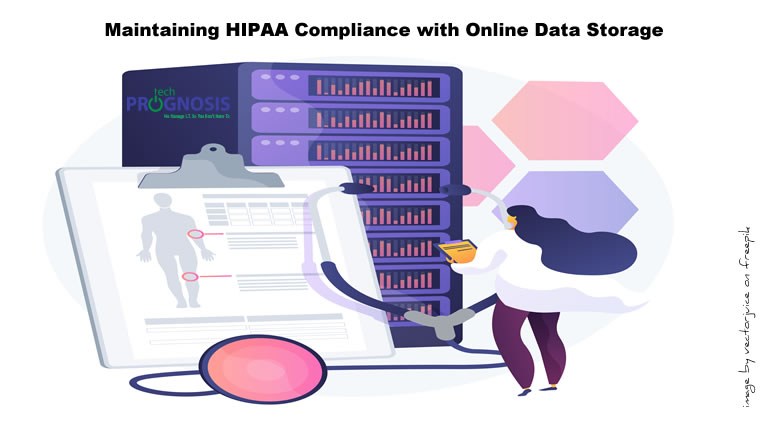
Image concept of HIPAA compliance challenges presented by cloud storage solutions with abstract illustration of predictive analytics, electronic health records etc.

Maintaining HIPAA Compliance with Online Data Storage

Healthcare organizations today face the dual challenge of leveraging online data storage solutions while ensuring compliance with the Health Insurance Portability and Accountability Act (HIPAA). This article explores the importance of maintaining HIPAA compliance with online data storage, highlights common challenges, offers best practices, and recommends popular tools to help your organization navigate this complex landscape.

What is HIPAA?

The Health Insurance Portability and Accountability Act (HIPAA) is a United States law enacted in 1996 to protect patients’ sensitive health information from being disclosed without their consent or knowledge. HIPAA sets national standards for electronic health care transactions and national identifiers for providers, health insurance plans, and employers.

Read more

Share

Attack Surface Management: Essential Strategies for Cybersecurity

Image of computer security banner. Simulation of cybersecurity attack surface management with isometric illustration of laptop and icons of padlock, cloud and shield.

Understanding Attack Surface Management: Protecting Your Organization from Cyber Threats

In the modern digital landscape, cybersecurity is a top priority for organizations of all sizes. Attack surface management (ASM) has emerged as a crucial component of an effective cybersecurity strategy. Understanding and managing your attack surface can significantly reduce the risk of cyberattacks. This comprehensive guide will walk you through the concepts of threat models, hardening guides, and monitoring, with examples to illustrate these concepts. We will also discuss common challenges organizations face and offer best practices to help you bolster your cybersecurity defenses. Additionally, we will recommend some popular tools to aid in your ASM efforts.

Keywords: Attack Surface Management, Threat Models, Hardening Guides, Cybersecurity, Monitoring, Best Practices, Security Tools

Read more

Share
Share
Share