Phishing Protection Checklist for Law Firms

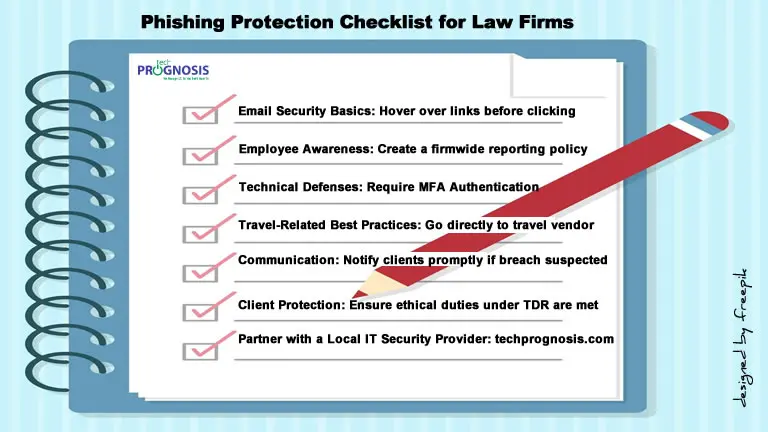
Texts in book binder format of critical phishing protection checklist for law firms.

Phishing Protection Checklist for Law Firms

Safeguard Your Legal Practice from Email Scams—Especially During Travel Season

Below is a Downloadable Phishing Protection Checklist tailored for law firms in the Austin, Texas area. It’s designed to help your legal team quickly spot phishing scams—especially travel-related ones—and take proactive steps to protect confidential data, client trust, and firm finances.

🔒 Email Safety Basics

✔️ Double-check sender email addresses before opening messages
✔️ Never click links in unexpected travel confirmation emails
✔️ Avoid downloading attachments unless verified
✔️ Hover over hyperlinks to see the actual destination URL
✔️ Use a spam filter and block known malicious domains

Read more

Share

ISO 9001 Clause 9.2: A Comprehensive Guide to Internal Audits

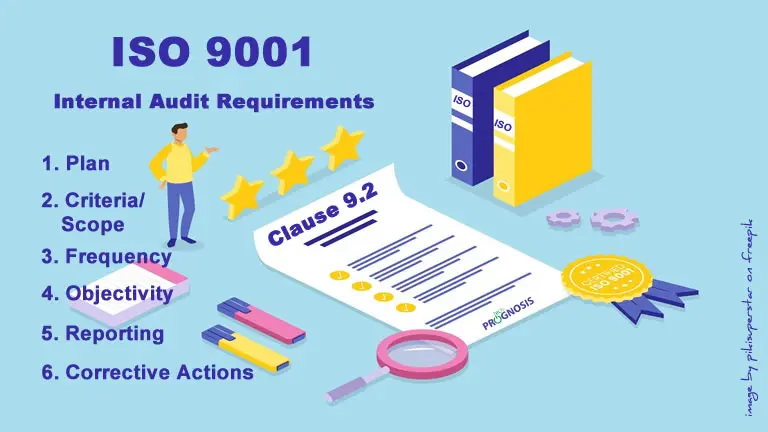
Image of isometric concept of ISO 9001 Clause 2 with ISO 9001 certification badge, a magnifying glass, book binders and a text of the requirements.

When it comes to maintaining a robust Quality Management System (QMS), ISO 9001 serves as the gold standard. Among its many requirements, ISO 9001 Clause 9.2, which deals with internal audits, stands out as a key element. For many organizations, however, the concept of internal audits can feel overwhelming, especially for those unfamiliar with quality management processes.

In this blog, we’ll break down ISO 9001 Clause 9.2 in a way that’s easy to understand. We’ll explore what internal audits are, why they’re essential, and how you can implement them effectively within your organization. Whether you’re a seasoned quality professional or new to the world of ISO standards, this guide will provide practical insights, examples, and actionable steps to help you meet the requirements with confidence.

What is ISO 9001 Clause 9.2?

Clause 9.2 of the ISO 9001 standard focuses on the internal audit process. Internal audits are systematic, independent evaluations of your QMS to determine whether your processes align with the requirements of ISO 9001 and whether they are effectively implemented and maintained.

The purpose of internal audits is to ensure that your organization consistently delivers quality products or services by identifying areas of non-conformance and opportunities for improvement. These audits are not just a compliance requirement but a strategic tool for enhancing your organization’s performance.

Read more

Share

PCI Compliance Questionnaires: A Deep Dive

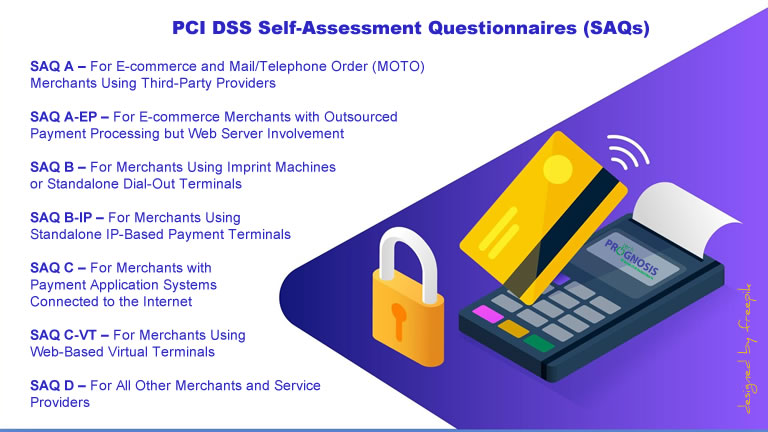
Credit card security isometric illustration showing a padlock, a credit card and a Point-of-Sale card reader, with text of types of PCI compliance questionnaires

A Deep Dive into PCI Compliance Questionnaires: Understanding the Differences and Overcoming Challenges

Payment security is critical in today’s digital economy, and the Payment Card Industry Data Security Standard (PCI DSS) plays a vital role in protecting payment card data from breaches and fraud. However, achieving PCI compliance can feel overwhelming, especially when organizations must determine the correct Self-Assessment Questionnaire (SAQ) or PCI compliance questionnaires to complete.

This article will provide a detailed breakdown of the different PCI DSS SAQs, the challenges businesses face in completing them, and best practices to streamline compliance. We’ll also explore risk appetite statements, clarify the roles of Qualified Security Assessors (QSAs) and Approved Scanning Vendors (ASVs), and conclude with a call to action for expert PCI compliance guidance.

Read more

Share

eDiscovery in Cybersecurity: Challenges, Best Practices, and Tools

eDiscovery concept composition with magnifying glass, documents folder with media and email vector illustration.

eDiscovery is not just about finding and retrieving data; it’s about doing so in a way that is legally sound and ensures data integrity. In the context of cybersecurity, Electronic Discovery becomes even more critical due to the sensitive nature of the data involved and the potential impact of data breaches.

cybersecurity is a top priority for businesses across all sectors. With the growing volume of data, the need for effective and efficient electronic discovery (eDiscovery) processes has become crucial. eDiscovery is the process of identifying, collecting, and producing electronically stored information (ESI) in response to a request for production in a legal case or investigation.

This article aims to demystify Electronic Discovery in cybersecurity, outline common challenges, suggest best practices, and recommend some popular tools for managing eDiscovery.

Read more

Share

Privacy Risk Management in Cybersecurity: A Comprehensive Guide

Isometric illustration showing a 3d laptop, fingerprint, security shield, credit card, data privacy, 3d lock, and text of the key components of privacy risk management in cybersecurity.

Effective privacy risk management is crucial for protecting personal data and maintaining compliance with privacy laws. By conducting regular privacy assessments, implementing tracker scanning, managing user consent, and handling subject rights requests diligently, organizations can mitigate privacy risks and build trust with their users. Embracing best practices and leveraging privacy management tools further enhance these efforts.

This blog post delves into the key concepts of privacy risk management, including privacy assessments, tracker scanning, consent management, and subject rights requests. We’ll also explore common challenges organizations face, offer best practices, and recommend popular tools to help manage privacy risks effectively.

Introduction to Privacy Risk Management

In today’s fast-moving technology and increasingly digital landscape, the protection of personal data is not just a regulatory requirement but also a critical factor in maintaining customer trust. Privacy risk management involves identifying, assessing, and mitigating risks associated with the handling of personal information. It ensures that organizations comply with privacy laws and regulations while safeguarding individual privacy rights.

Read more

Share

Third-Party Risk Management: Best Practices and Tools for Managing Vendor Risks

Icons of various partners/supply chain that need Third-party Risk Management showing shipping, transportation, airline, cloud computing, software and applications, data protection etc. with text of best practices.

The Essential Guide to Third-Party Risk Management: Best Practices and Tools for Managing Vendor Risks

Introduction: Understanding Third-Party Risk Management

With the growth of digital services, businesses increasingly rely on third-party vendors for everything from IT support to supply chain logistics. While third-party vendors help streamline processes and drive efficiencies, they also introduce additional risks. Managing these third-party risks is essential, especially as incidents like data breaches and operational disruptions are becoming more common in today’s interconnected environment.

Third-party risk management (TPRM) aims to evaluate and control the risks associated with partnering with external vendors, ensuring that these relationships align with your organization’s standards for security, compliance, and resilience. By understanding common challenges and adopting best practices, organizations can confidently manage third-party risks and safeguard their operations and customer data.

This article outlines key third-party risk management challenges, best practices, and popular tools to help you develop a solid TPRM framework tailored to your organization’s unique needs.

Read more

Share
Share
Share