Information Security Auditing: The Ultimate Guide for Businesses

Image of an isometric composition concept of information security auditing simulation showing icons of a magnifying glass, documents folder and people.

The Ultimate Guide to Information Security Auditing for Small and Medium-Sized Businesses

In today’s digital age, information security is a top priority for businesses of all sizes. However, small and medium-sized businesses (SMBs) often face unique challenges in safeguarding their data and systems due to limited resources. This is where information security auditing becomes essential. By understanding and implementing an effective information security audit, SMBs can identify vulnerabilities, comply with regulations, and protect their valuable assets. In this comprehensive guide, we’ll explore the purpose of information security auditing, the types of controls involved, and best practices tailored for SMBs.

What is Information Security Auditing?

Information security auditing is a systematic evaluation of an organization’s information systems, policies, and practices to ensure that they are secure and compliant with relevant standards and regulations. This process helps identify potential risks, weaknesses, and areas for improvement in an organization’s cybersecurity posture.

Read more

Share

Understanding GDPR: A Comprehensive Guide with Sector-Specific Examples

Image of laptop computer with a padlock and stars concept of GDPR, along with text outlining the key principles of GDPR.

GDPR: A Comprehensive Guide with Sector-Specific Examples

Introduction

The General Data Protection Regulation (GDPR) is a critical piece of legislation that reshaped the landscape of data privacy and security for organizations operating within the European Union (EU) and those dealing with EU citizens’ data. Since its implementation on May 25, 2018, GDPR has set a high standard for data protection, influencing laws worldwide.

In this article, we’ll explore the essentials of GDPR, examine specific examples from various sectors, discuss common challenges organizations face, and provide best practices for compliance. Whether you’re a business owner, a data privacy enthusiast, or simply curious about GDPR, this guide will offer valuable insights.

What is GDPR?

GDPR is a regulation in EU law on data protection and privacy for all individuals within the EU and the European Economic Area (EEA). It also addresses the export of personal data outside the EU and EEA areas. The primary aim of GDPR is to give control to individuals over their personal data and simplify the regulatory environment for international business by unifying the regulation within the EU.

Read more

Share

Information Security Risk Assessment: Best Practices for SMBs

Image of information security risk assessment concept with speedometer and people and graph chart analysis data information.

Understanding Information Security Risk Assessment: A Guide for Small and Medium-Sized Businesses

Today, protecting your business from cyber threats is more crucial than ever. Cybersecurity breaches can lead to significant financial losses, reputational damage, and even legal consequences. For small and medium-sized businesses (SMBs), the stakes are particularly high since they often lack the extensive resources of larger enterprises. This is where information security risk assessment comes into play. By understanding and implementing effective risk assessments, SMBs can safeguard their operations and ensure long-term success.

This comprehensive guide will walk you through the basics of information security risk assessment, using business-specific examples to illustrate key points. We’ll also share best practices that are practical and actionable, ensuring that your business can protect its valuable data without requiring deep technical knowledge.

Read more

Share

NBA Fines And Non-Compliance Lessons for SMBs

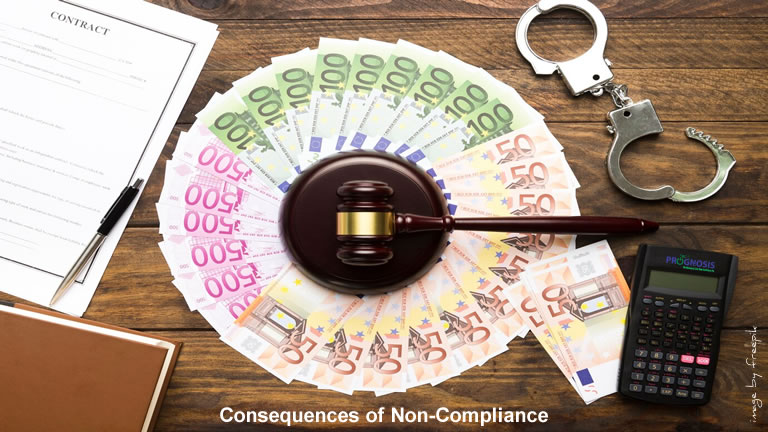
Image of an arrangement with money, gavel, calculator, and contract illustrating the consequences of non-compliance with laws, rules, and regulations.

NBA Fines And Non-Compliance Lessons for SMBs

Regulations on the local, state, and federal levels are on the rise and this is putting a lot of pressure on compliance efforts of Small and Medium-sized businesses (SMBs) and exposing the fact that these organizations can only avoid costly fines and/or lawsuits for non-compliance by maintaining strict compliance throughout their information management processes.

I found the fines levied by the National Basketball Association (NBA) on players including the likes of the late Los Angeles Lakers Great, Kobe Bryant, and Mark Cuban, the owner of the Dallas Mavericks basketball team, among others, as a good lesson on the cost of non-compliance.

The NBA has consistently fined players who were in non-compliance of its rules and these violations range from the serious to what one could argue is the absurd – like kicking a ball in frustration or throwing a basketball into the stands in celebration of a win.

Read more

Share
Share
Share