Business Impact Analysis: Principles, Methodologies, Challenges, and Best Practices

Male and female looking at a simulated Business Impact Analysis (BIA) dashboard with a huge magnifying glass.

The Complete Guide to Business Impact Analysis (BIA): Principles, Methodologies, Challenges, and Best Practices

Let’s talk about something that might sound a bit dry at first – Business Impact Analysis, or BIA for short. But trust me, as someone who’s spent years in the trenches of Governance, Risk, and Compliance (GRC), I can tell you, this is anything but boring. In fact, it’s the superhero cape your organization needs to navigate the unexpected.

Imagine a sudden power outage, a supply chain disruption, or even a cyberattack. What happens next? Do you scramble in the dark, hoping things will magically sort themselves out? Or do you have a plan, a roadmap that guides you through the chaos? That roadmap is built on the foundation of a solid BIA.

BIA helps businesses identify critical functions, assess the potential impact of disruptions, and establish strategies to minimize the effects of disruptions on these functions. This guide dives deep into the concept and principles of BIA, highlighting its role in various sectors, methodologies, challenges, and best practices.

Read more

Share

Network Security Techniques: Protecting Corporate Networks

Network security techniques banner. Concept of safety internet technologies, data security. information protection with isometric laptop, mobile phone, computer and shield icon

Network Security Techniques: A Deep Dive into Protecting Corporate Networks

In today’s digital age, every organization—from small businesses to large multinational corporations—faces an ever-growing threat landscape. Whether you work in healthcare, finance, education, or any other sector, understanding network security techniques is essential for protecting valuable data and ensuring operational continuity.

This deep-dive blog article will guide you through an overview of network security techniques, illustrate real-world examples from various sectors, and discuss the risks corporate networks face. We’ll also examine common challenges organizations encounter, share best practices for implementing network security, and recommend some modern tools to bolster your defenses. Let’s embark on this journey towards building a safer digital environment together.

Read more

Share

ISO 27001 Statement of Applicability (SoA): A Deep Dive Guide

Businessmen working with a laptop, books, a pencil and tablet with text of some of the key elements of the ISO 27001 Statement of Applicability on a tablet computer with check boxes.

Understanding the Statement of Applicability (SoA) for ISO 27001: A Deep Dive

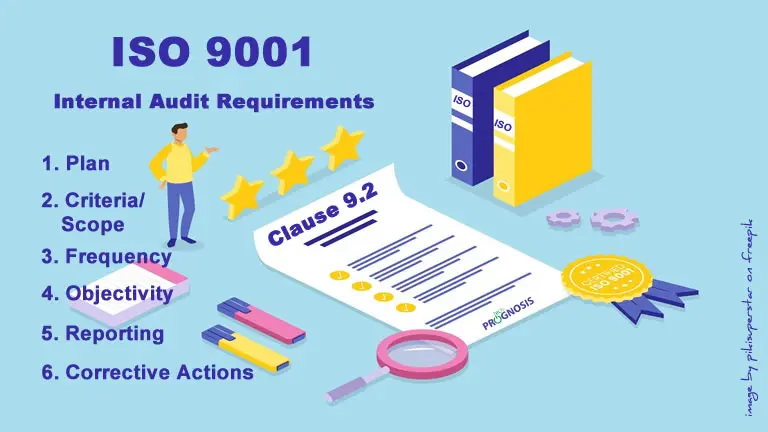
ISO 27001 is the international standard for information security management, offering a robust framework for organizations to manage and protect sensitive data. A key component of this framework is the Statement of Applicability (SoA), a crucial document that outlines the security controls an organization has chosen to implement based on its specific needs, risk assessment, and the scope of its Information Security Management System (ISMS).

In this blog post, we’ll explore the Statement of Applicability in-depth, explaining its purpose, principles, and relevance in the ISO 27001 certification process. We’ll also provide insights into sector-specific examples, implementation challenges, best practices, and recommend some popular tools for managing your ISO 27001 implementation. By the end of this guide, you’ll have a clear understanding of how to approach the SoA and how to effectively integrate it into your organization’s information security strategy.

Read more

Share

PCI Compliance Questionnaires: A Deep Dive

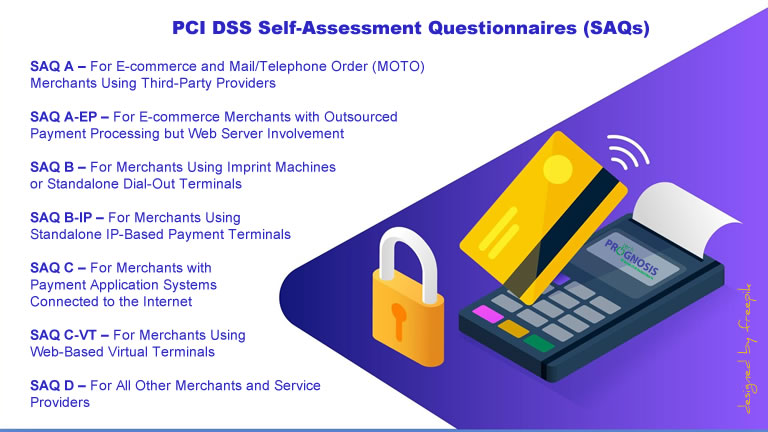
Credit card security isometric illustration showing a padlock, a credit card and a Point-of-Sale card reader, with text of types of PCI compliance questionnaires

A Deep Dive into PCI Compliance Questionnaires: Understanding the Differences and Overcoming Challenges

Payment security is critical in today’s digital economy, and the Payment Card Industry Data Security Standard (PCI DSS) plays a vital role in protecting payment card data from breaches and fraud. However, achieving PCI compliance can feel overwhelming, especially when organizations must determine the correct Self-Assessment Questionnaire (SAQ) or PCI compliance questionnaires to complete.

This article will provide a detailed breakdown of the different PCI DSS SAQs, the challenges businesses face in completing them, and best practices to streamline compliance. We’ll also explore risk appetite statements, clarify the roles of Qualified Security Assessors (QSAs) and Approved Scanning Vendors (ASVs), and conclude with a call to action for expert PCI compliance guidance.

Read more

Share

Risk and Information Systems Control: Navigating IT Risks with Confidence


Risk and information systems control banner with isometric man and risk meter on gears with concept of the tools organizations use to manage risks associated with their information systems.Risk management and information systems control are essential in today’s digital age. As businesses increasingly rely on robust information systems to drive efficiency, foster innovation, and gain a competitive edge, the potential risks associated with cyber threats, data breaches, and system failures have grown exponentially. There is an equally critical responsibility facing organizations: managing the risks associated with these systems.

But what exactly does “Risk and Information Systems Control” mean, and why is it crucial for every organization?

Risk and Information Systems Control (RISC) is a framework that helps organizations safeguard their assets, comply with regulations, and build resilient operations.

This blog dives into the fundamentals, challenges, and best practices to help businesses protect their most valuable asset: information.

Read more

Share

Data Breaches of 2024: Lessons and Best Practices for Small Organizations

Cyber-attack concept, simulating data breaches, showing username and password theft, laptop with open document folder, credit card information theft and an open lock.

Major Data Breaches of 2024: Lessons and Best Practices for Small Organizations

In 2024, data breaches made major headlines, sparking concerns about data security across sectors. From healthcare to finance, we saw cybercriminals exploit vulnerabilities in systems worldwide, often impacting both large and small organizations. While big corporations might have the resources to recover swiftly, small and medium-sized businesses (SMBs) often face unique challenges, including limited budgets, expertise, and cybersecurity infrastructure.

This article will examine some of the major breaches of 2024, explore why SMBs are at heightened risk, and share best practices and tools that can help organizations protect themselves.

Read more

Share
Share
Share