Risk and Information Systems Control: Navigating IT Risks with Confidence


Risk and information systems control banner with isometric man and risk meter on gears with concept of the tools organizations use to manage risks associated with their information systems.Risk management and information systems control are essential in today’s digital age. As businesses increasingly rely on robust information systems to drive efficiency, foster innovation, and gain a competitive edge, the potential risks associated with cyber threats, data breaches, and system failures have grown exponentially. There is an equally critical responsibility facing organizations: managing the risks associated with these systems.
But what exactly does “Risk and Information Systems Control” mean, and why is it crucial for every organization?

Risk and Information Systems Control (RISC) is a framework that helps organizations safeguard their assets, comply with regulations, and build resilient operations.

This blog dives into the fundamentals, challenges, and best practices to help businesses protect their most valuable asset: information.

Read more

Share

Data Breaches of 2024: Lessons and Best Practices for Small Organizations

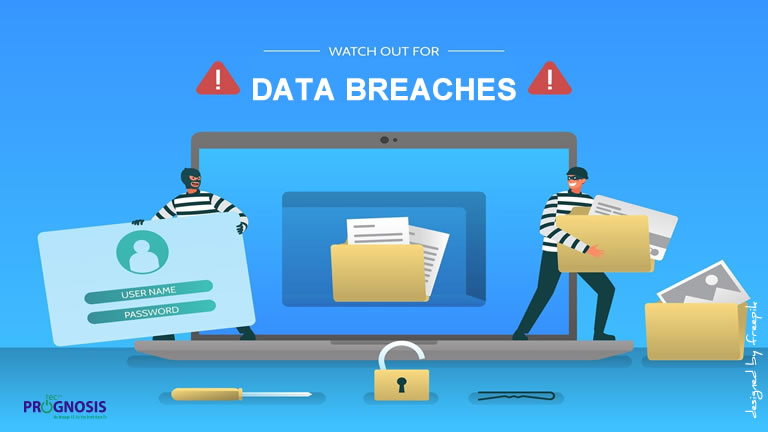
Cyber-attack concept, simulating data breaches, showing username and password theft, laptop with open document folder, credit card information theft and an open lock.

Major Data Breaches of 2024: Lessons and Best Practices for Small Organizations

In 2024, data breaches made major headlines, sparking concerns about data security across sectors. From healthcare to finance, we saw cybercriminals exploit vulnerabilities in systems worldwide, often impacting both large and small organizations. While big corporations might have the resources to recover swiftly, small and medium-sized businesses (SMBs) often face unique challenges, including limited budgets, expertise, and cybersecurity infrastructure.

This article will examine some of the major breaches of 2024, explore why SMBs are at heightened risk, and share best practices and tools that can help organizations protect themselves.

Read more

Share

IT Preparedness: Six Risk-Based Questions Every Nonprofit Leader Must Ask


Circular diagram infographic showing text of six risk-based questions non-profit leaders must ask about information technology or IT preparedness before their IT expert leaves the organization.

Six Risk-Based Questions Every Nonprofit Leader Must Ask About IT Preparedness Before Their IT Expert Leaves

Nonprofit organizations rely heavily on their in-house IT experts to keep operations running smoothly. But have you ever thought about what happens if that expert suddenly quits? It’s not just an inconvenience—it could be a disaster. Here are six critical questions to help you identify your IT preparedness, identify potential risks and protect your nonprofit.

When your nonprofit’s in-house IT expert suddenly leaves, the organization might face serious challenges—from downtime to security risks. To avoid disruption, leaders must take a proactive approach to understanding and documenting their IT environment. These six questions can help nonprofits of any size safeguard their operations.

Read more

Share

eDiscovery in Cybersecurity: Challenges, Best Practices, and Tools

eDiscovery concept composition with magnifying glass, documents folder with media and email vector illustration.

eDiscovery is not just about finding and retrieving data; it’s about doing so in a way that is legally sound and ensures data integrity. In the context of cybersecurity, Electronic Discovery becomes even more critical due to the sensitive nature of the data involved and the potential impact of data breaches.

cybersecurity is a top priority for businesses across all sectors. With the growing volume of data, the need for effective and efficient electronic discovery (eDiscovery) processes has become crucial. eDiscovery is the process of identifying, collecting, and producing electronically stored information (ESI) in response to a request for production in a legal case or investigation.

This article aims to demystify Electronic Discovery in cybersecurity, outline common challenges, suggest best practices, and recommend some popular tools for managing eDiscovery.

Read more

Share

Risks and Privacy Management in Microsoft Office 365

Concept of digital security, privacy, listing several tools that can help manage risks and ensure privacy in Microsoft Office 365

Managing Risks and Privacy in Microsoft Office 365: A Comprehensive Guide for Every Sector

In today’s digital age, managing risks and protecting privacy in your organization’s digital workspace is more important than ever. Microsoft Office 365 (now known as Microsoft 365) is a powerful suite of tools that many businesses rely on for productivity and collaboration. However, with great power comes great responsibility—especially when it comes to security and privacy.

This guide will walk you through managing risks and privacy in Microsoft Office 365, with sector-specific examples, common challenges, and best practices.

Introduction

Microsoft Office 365 has become a cornerstone for many organizations, providing a suite of tools that enhance productivity and collaboration. However, with great power comes great responsibility. Managing risks and privacy in Office 365 is crucial to protect sensitive information and ensure compliance with industry standards. This article aims to demystify these challenges and offer actionable solutions.

Read more

Share

GRC Landscape: Navigating Governance, Risk and Compliance

Governance, Risk management, and Compliance or GRC isometric business concept with icons of server computers, people, electronic gadgets, magnifier, graphs, clock, coins, tablet computer, laptop, business presentation, negotiations, conference meeting etc.

GRC in Small and Medium-Sized Enterprises (SMEs): A Comprehensive Guide

In today’s dynamic business environment, governance, risk management, and compliance (GRC) have become essential components for small and medium-sized enterprises (SMEs). While often associated with large corporations, GRC frameworks are equally crucial for SMEs to ensure sustainable growth, mitigate risks, and maintain compliance with regulations. This guide will explore the importance of GRC in SMEs, provide practical examples, and present use cases to illustrate its application.

What is GRC?

Governance, Risk, and Compliance (GRC) is a framework that helps organizations achieve their objectives, address uncertainties, and act with integrity. Traditionally, GRC has been associated with large corporations. However, it is equally vital for Small and Medium-Sized Enterprises (SMEs) to embrace GRC to ensure sustainability and growth in an increasingly complex business environment.

These three pillars form an integrated approach to ensuring that an organization achieves its objectives, manages uncertainty, and acts with integrity.

Read more

Share
Share
Share