When Disaster Strikes: A Central Texas Business Guide to Modern Recovery Planning
How Round Rock, Austin, and Central Texas Businesses Can Plan Modern Recovery by Building Resilience Using the NIST Cybersecurity Framework and Cloud Technologies
Executive Summary
Central Texas businesses face frequent disruptions—from severe winter storms and flash floods to cyber incidents. A modern recovery strategy combines Business Continuity Planning (BCP) and Disaster Recovery Planning (DRP) within the NIST Cybersecurity Framework’s Recover function to minimize downtime and protect revenue. Cloud approaches (e.g., “pilot light” on AWS/Azure) now deliver near–enterprise‑grade recovery at a fraction of the traditional cost.
Quick next step: Schedule your free 15‑minute discovery call to discuss your recovery objectives (RTO/RPO) and build a right‑sized cloud‑enabled plan for your Round Rock, Austin, or broader Central Texas operations.
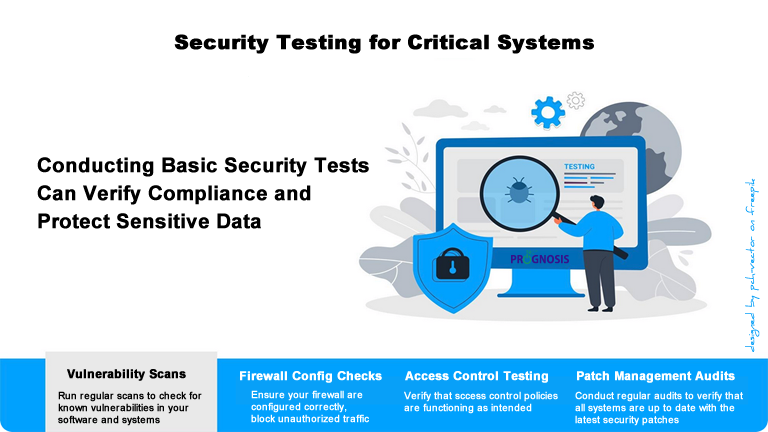
A Comprehensive Guide to Security Testing for Critical Systems: How Businesses in Round Rock Can Protect Sensitive Data
In today’s digital age, cybersecurity is not just a technical concern—it’s a critical aspect of protecting your business’s future. As businesses in Round Rock, Texas, and surrounding cities grow increasingly dependent on technology, securing sensitive data and critical systems has become more important than ever. Whether you’re in healthcare, finance, or retail, data protection should be a top priority.
This comprehensive guide will walk you through the essentials of security testing and security assessments, focusing on how businesses can safeguard their most critical systems, particularly those holding sensitive information.
From understanding the differences between security testing and security assessments, to how you can incorporate best practices into your own operations, this blog is a valuable resource for business owners, managers, and IT leaders looking to ensure that their cybersecurity measures are up to par.
Let’s dive into how effective security testing and risk assessments can make a difference in your organization’s security posture.
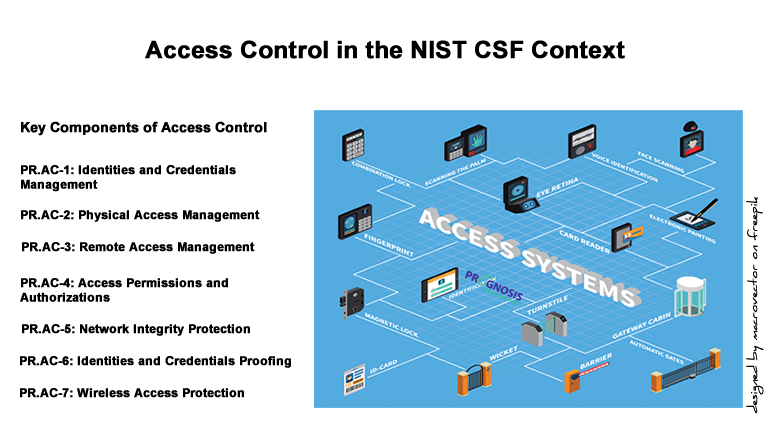
Protecting Your Austin Business: A Deep Dive into Access Control and the NIST Cybersecurity Framework
If you’ve ever used a key card to enter your office building or typed a password into your laptop, you’ve experienced access control in action. But behind these everyday interactions lies a sophisticated security discipline that can make or break your organization’s cybersecurity posture—especially here in Austin, where our thriving tech scene and diverse business landscape make us an attractive target for cybercriminals.
As someone who’s spent years helping Texas businesses strengthen their security foundations, I’ve seen firsthand how proper access control can prevent devastating breaches, while poor implementation can lead to catastrophic consequences. Today, let’s explore access control through the lens of the NIST Cybersecurity Framework (CSF) and discuss how Austin organizations can protect their most valuable assets.
Specifically, access control is addressed in the Access Control (PR.AC) category of the Protect function. The NIST CSF defines this as managing access to assets and associated facilities to ensure that only authorized users, processes, or devices can access them—and only in a manner appropriate to their authorization level.
Think of access control as the digital and physical gatekeeper of your organization. It’s the system of policies, procedures, and technologies that determines who can enter your premises, what data they can view, which systems they can use, and what actions they can perform.
In Austin’s competitive business environment, where companies from healthcare startups to financial services firms handle sensitive information daily, robust access control isn’t just good practice—it’s essential for survival.
Texas Cybersecurity Framework: A Deep Dive into Fortifying Your Texas Digital Fortress
As a GRC (Governance, Risk, and Compliance) expert, I’ve had the privilege of guiding many organizations through the sometimes-dusty trails of cybersecurity. And when it comes to securing digital assets right here in the Lone Star State, one framework consistently stands tall: the Texas Cybersecurity Framework (TCF).
Now, cybersecurity might sound like complicated tech-speak, but at its heart, it’s about protecting what matters most – your data, your operations, and the trust of your customers. Think of the TCF as a well-laid-out blueprint for building a strong and resilient digital fortress. It provides a clear roadmap to help organizations, both big and small, navigate the ever-evolving landscape of cyber threats.
In this deep dive, we’ll unpack the TCF in plain language, exploring its origins, how it’s structured, some of its key components, the hurdles organizations often face, and practical ways to get started. So, grab your virtual Stetson, and let’s get to it!
In today’s dynamic and rapidly-evolving regulatory environment, organizations face myriad challenges including increasing calls for accountability, regulatory compliance, risk management, and governance oversight. These challenges necessitate a robust framework to ensure that all aspects of Governance, Risk, and Compliance (GRC) are adequately addressed. GRC frameworks provide a structured approach to align business objectives with regulatory requirements, mitigate risks, and ensure sound governance practices.
This article delves into the core components and benefits of popular GRC frameworks, offering examples and use cases to illustrate their practical applications.
What is a GRC Framework?
A GRC framework is a comprehensive structure that integrates IT governance, risk management, and compliance processes into an organization’s daily operations. By unifying these elements, organizations can enhance their decision-making processes, improve performance, and ensure regulatory adherence.