Protect Function of the NIST Cybersecurity Framework: A Practical Guide

Infographic concept with a six-point point list of what the Protect function of the NIST Cybersecurity Framework covers like access control, awareness training, data security.

The NIST Cybersecurity Framework Protect Function: A Practical Guide for Small Businesses in Austin, Texas

Cybersecurity often feels overwhelming for small businesses. With headlines about major breaches and new regulations, it’s easy to think that strong cybersecurity is something only large corporations can afford. But the truth is, businesses of every size—whether you’re running a coffee shop in East Austin, a dental clinic in South Lamar, or a boutique retail store downtown—have critical systems, data, and people to protect.

That’s where the Protect Function of the NIST Cybersecurity Framework (CSF) comes in. While the framework sounds technical, it’s essentially a guide to help organizations reduce risk by protecting what matters most. In this article, we’ll break down the Protect Function in simple terms, explore how Austin businesses can apply it, and highlight practical steps you can take today.


What Is the Protect Function?

The NIST CSF has five core functions: Identify, Protect, Detect, Respond, and Recover. The Protect function focuses on proactive measures—safeguarding your people, assets, systems, and data before something goes wrong.

Think of it as putting locks on your doors, training your staff, and installing smoke detectors before there’s a fire. Protection doesn’t eliminate all risks, but it makes you less vulnerable and better prepared.

Read more

Share

Ethical AI Governance Framework for Risk Assessment in Modern Banking

Ethical AI Governance Framework for risk assessment in modern banking concept with artificial intelligence humanoid with neural network and big data technology.

Ethical AI Governance Framework: A Practical Guide to AI Governance in Banking Risk Assessment

Picture this: You’re a risk officer at a major bank, and your AI system just flagged a small business loan application as high-risk. The applicant is a talented entrepreneur from an underserved community with a solid business plan but limited credit history. Your AI model, trained on decades of lending data, sees patterns that correlate with higher default rates. But here’s the catch – those patterns might reflect historical biases rather than true risk indicators. Perhaps, it is time to develop an ethical AI governance framework for Risk Assessment that ensures responsible AI use while maintaining innovation.

As artificial intelligence transforms how banks assess risk and make decisions, we’re witnessing a fundamental shift in the financial services landscape. AI promises faster decisions, better risk prediction, and improved customer experiences. Yet with this power comes unprecedented ethical challenges that keep chief risk officers awake at night. How do we harness AI’s potential while ensuring fairness, transparency, and accountability?

Welcome to the complex world of AI ethics in banking, where innovation meets responsibility at every turn.

Let’s dive into this critical conversation that’s reshaping modern banking. We will look at key ethical considerations when using AI for risk assessment in banking, and for each consideration we will provide a specific example of how it might manifest in practice.

Read more

Share

Cloud Security Threats and Mitigation: A Guide for Financial Services in Austin, Texas

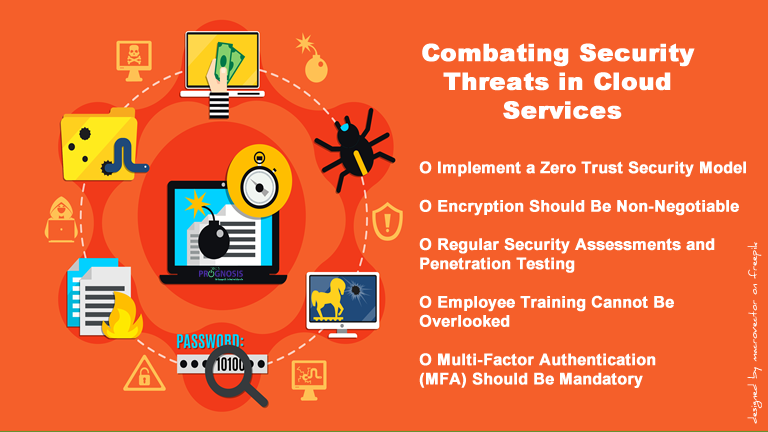
Cloud security threats that target financial services in Austin, Texas like spam threats, hackers, fraud, password thefts, and mitigation solutions like email security, firewalls, data security

Combating Cloud Security Threats in Cloud Computing: A Guide to Cloud Security for Austin’s Financial Services

As someone who’s spent over a decade helping financial institutions navigate the complex world of cybersecurity, I’ve watched Austin’s financial services sector transform dramatically. From the bustling tech corridors along MoPac to the financial districts downtown, our city’s banks, credit unions, and fintech startups are increasingly moving their operations to the cloud. But with this shift comes the critical questions I hear almost daily:  “How do we combat security threats in cloud computing”, and “How do we keep our customers’ financial data safe in the cloud?”

Let me share what I’ve learned about security threats in our industry, drawing from real experiences right here in Central Texas, particularly as artificial intelligence reshapes how we think about data protection and financial services.

Read more

Share

AI Implementation in Financial Risk Management: A Practical Guide

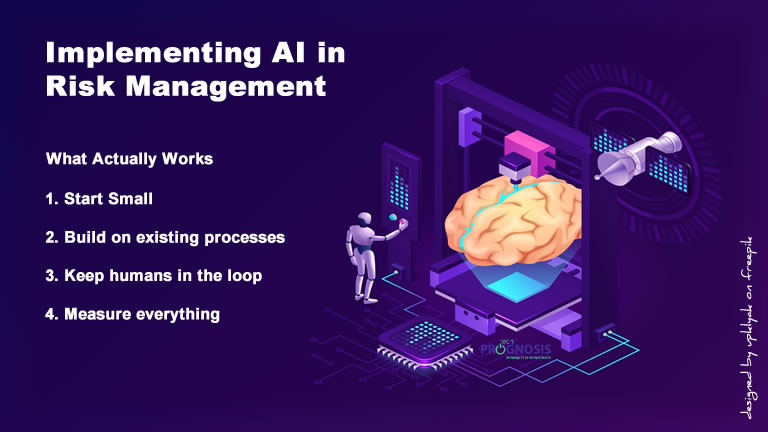
Technology isometric with ai robot, brain and text simulating AI implementation processes.

Implementing AI in Financial Risk Management: A Practical Guide for Mid-Size Banks

In my 15 years of working with financial institutions on governance and risk initiatives, I’ve never seen as much excitement – and anxiety – as I do now around AI implementation. Let’s cut through the hype and talk about what really works.

Read more

Share

Information Technology (IT) Risk Analysis: Policy Reviews and Risk Reports Protect Your Organization

Business information technology or IT risk analysis concept isometric vector illustration process working with database on data center system for diagrams of management statistics and operational reports.

Understanding Information Technology Risk Analysis: How Policy Reviews and Risk Reports Protect Your Organization

Organizations face an ever-growing array of cybersecurity threats. From ransomware attacks that can cripple operations to data breaches that expose sensitive customer information, the stakes have never been higher. This reality makes information technology risk analysis not just a technical necessity but a fundamental business practice that can determine an organization’s survival and success.

Risk analysis in IT involves systematically identifying, evaluating, and prioritizing potential threats to an organization’s information assets. At its core, this process helps organizations understand what could go wrong, how likely these scenarios are, and what impact they might have on business operations. One of the most effective approaches to conducting this analysis involves reviewing information security policy documents against established industry standards and regulatory requirements, then translating findings into clear, actionable risk reports.

Read more

Share

Continuity Planning: Unexpected Disasters Your IT Provider Should Be Planning For

Simulation of risk management consultants looking at a diagram illustration of a business continuity planning dashboard.

Continuity Planning: The Unexpected Disaster Your IT Provider Should Be Planning For

Power outages, cyberattacks, hardware failures and natural disasters rarely arrive with a warning, and when they hit, the impact on small businesses can be devastating. Many assume that having a backup is enough, but the truth is, restoring a file isn’t the same as staying operational. If you can’t access systems, support remote work or keep your team and clients in the loop, even a short disruption can turn into a long-term setback. A reliable IT partner should prepare you for these moments – not just with backups, but with a complete plan to keep your business running no matter what.

Read more

Share
Share
Share